Igari fashion revolutionized Japanese beauty standards when makeup artist Igari Shinobu introduced her signature “hangover makeup” look in the mid-2010s. She challenged traditional pale complexion ideals by embracing sun-kissed, dewy skin with heavy blush placement that mimics a natural post-drinking flush. The style features coral or pink cream blushes applied high on cheeks, glossy textures, and soft eye makeup. This fresh approach to beauty has spread globally through social media, inspiring countless variations and interpretations.
Key Takeaways
- Igari fashion centers on a youthful, sun-kissed makeup aesthetic featuring heavily blushed cheeks and glossy, dewy skin textures
- Created by makeup artist Igari Shinobu, the style deliberately contrasts traditional Japanese beauty standards favoring pale, matte complexions
- The signature “hangover makeup” look mimics a natural post-drinking flush using cream blushes in coral, pink, or berry tones
- Key techniques include applying blush high on cheekbones, using glossy lip balms, and creating slightly smudged eye makeup
- The style gained global popularity through social media influencers who adapted the look for digital platforms and younger audiences
The Origins of Igari and Makeup Artist Igari Shinobu
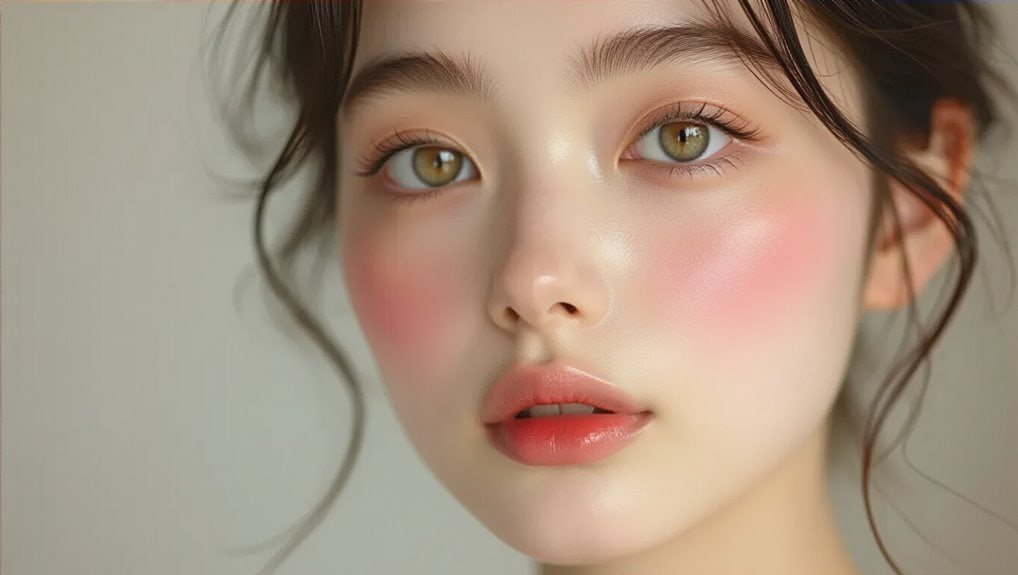
Born in Tokyo and trained at the prestigious Vantan Design Institute, makeup artist Igari Shinobu revolutionized Japanese beauty standards in the mid-2010s with her signature “hangover makeup” look.
She’d originally worked as a hairstylist before shifting to makeup, where her unconventional approach caught the fashion industry’s attention.
Shinobu artistry challenged traditional Japanese beauty ideals that favored pale, matte complexions. Instead, she created flushed, dewy looks mimicking the natural glow after drinking alcohol.
Her technique involved strategic blush placement high on the cheeks and across the nose bridge, paired with glossy lips and subtle eye makeup.
The Igari influence spread rapidly through social media and fashion magazines. Major brands like Shiseido and THREE sought her expertise for campaigns.
She’s styled celebrities including Kiko Mizuhara and Rola, cementing her status as Japan’s most innovative makeup artist.

Her work redefined kawaii culture, making “imperfect” beauty desirable.
What Makes Igari Different From Traditional Japanese Beauty Standards
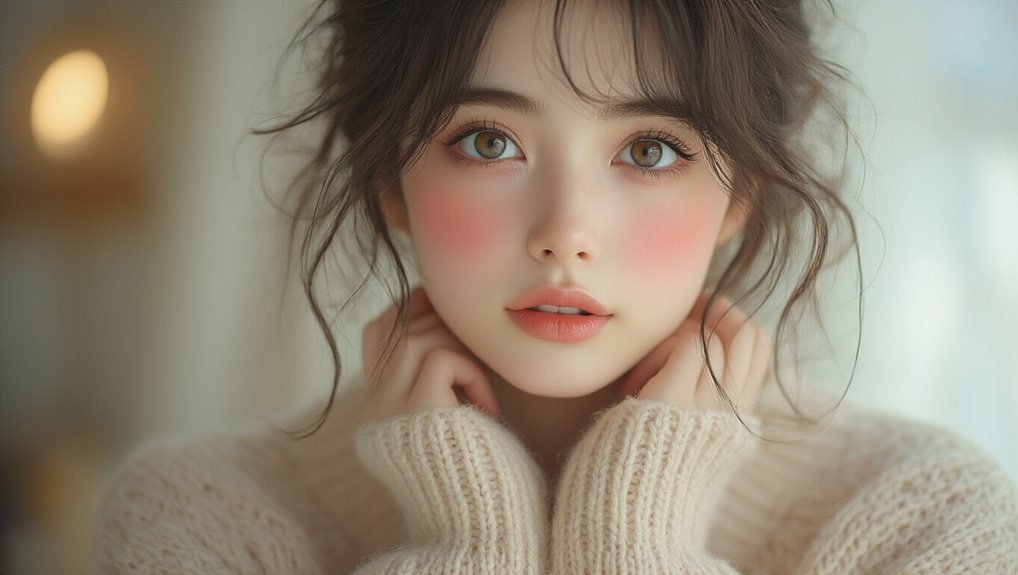
The Igari aesthetic breaks nearly every rule that’s defined Japanese beauty for centuries. While traditional Japanese beauty emphasizes pale, matte skin and subtle makeup, Igari celebrates flushed cheeks, dewy complexions, and visible color. This beauty evolution represents a significant shift in Japan’s cultural significance of femininity.
| Traditional Beauty | Igari Style | Impact |
|---|---|---|
| Pale, porcelain skin | Sun-kissed glow | Embraces natural skin |
| Matte finish | Dewy, glossy texture | Youthful appearance |
| Subtle lip color | Bold, bitten lips | Playful expression |
| Minimal blush | Heavy blush placement | Drunk-flush effect |
| Refined elegance | Casual cuteness | Modern femininity |
Where traditional standards prioritize perfection and restraint, Igari’s approach favors imperfection and spontaneity. The style’s “hangover makeup” look directly opposes the controlled aesthetic that dominates Japanese beauty ideals. This rebellion against conventional standards reflects younger generations’ desire for self-expression over conformity, marking a pivotal moment in Japan’s beauty culture.






The Signature “Hangover Makeup” Look Explained
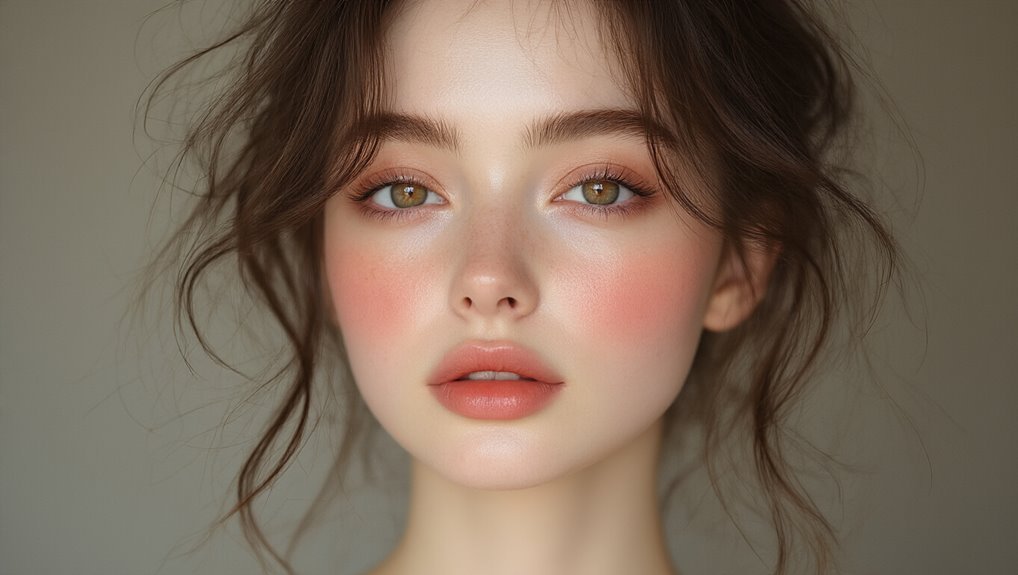
While Western makeup typically aims to hide signs of a wild night out, Igari’s “hangover makeup” deliberately recreates that just-woke-up flush. This trend features heavily blushed cheeks, slightly smudged eye makeup, and glossy lips that mimic natural swelling. Artists apply blush high on the cheekbones and across the nose bridge, creating a sun-kissed or tipsy appearance.
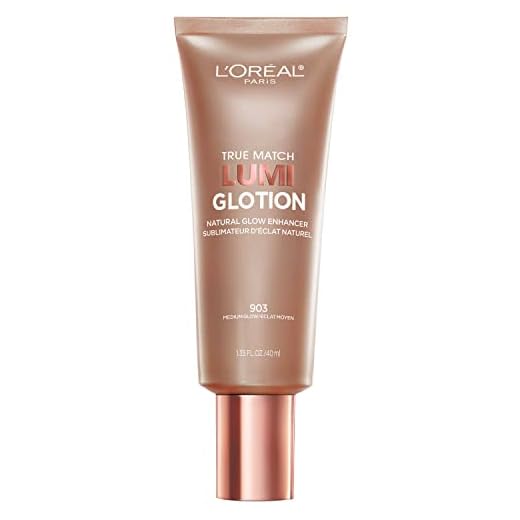
The technique’s become one of Japan’s most exported makeup trends, influencing beauty routines worldwide. Key elements include cream blushes in coral or pink tones, minimal foundation for visible skin texture, and strategically placed highlighter to enhance the dewy effect.
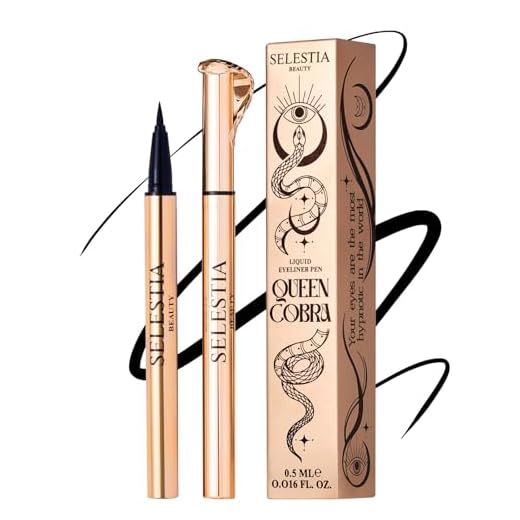
Eye makeup stays soft with brown or burgundy shadows lightly blended around the lash line.
Beauty influences from K-pop idols and Japanese actresses have popularized this effortless aesthetic on social media. The look’s appeal lies in its suggestion of vulnerability and authenticity—qualities that resonate with younger generations seeking alternatives to heavily contoured Western styles.
Essential Products and Tools for Creating the Igari Effect
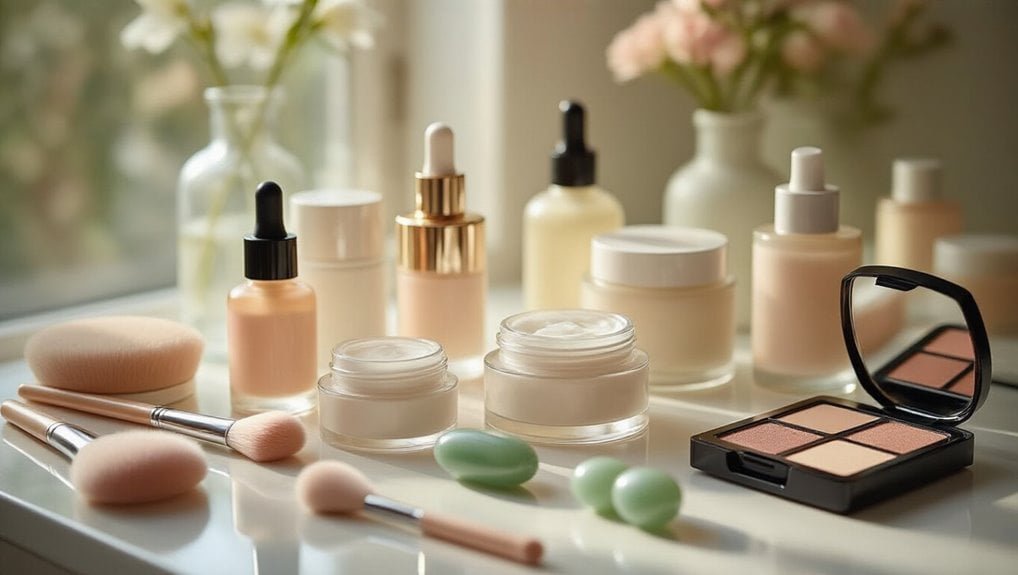
Creating the perfect Igari look requires specific products that differ from traditional Western makeup arsenals. The essential products include cream blushes in coral, peach, and berry tones that blend seamlessly into skin. Liquid or gel formulas work best for achieving that natural flush across cheeks and nose bridges.
Key igari tools include stippling brushes, beauty sponges, and fingertips for patting product into skin. Japanese brands offer specialized “cheek stains” and alcohol-free tints that create the signature translucent effect.
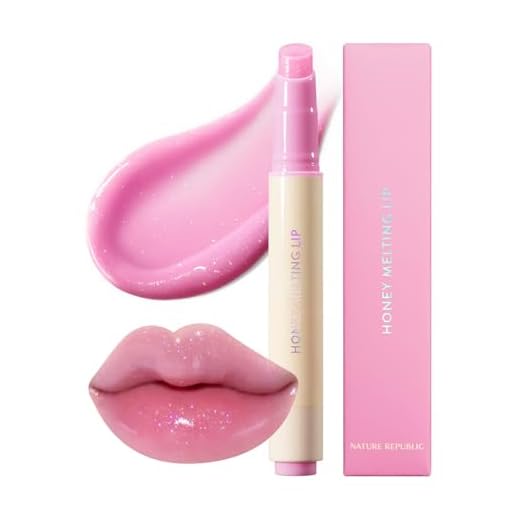
Clear or tinted lip balms replace heavy lipsticks, while cream highlighters add subtle dewiness. For under-eye redness, theatrical makeup suppliers sell water-activated paints that won’t crease. Setting sprays help maintain the fresh appearance throughout the day.
Many artists recommend mixing blush with moisturizer for sheer coverage. The goal isn’t perfection but rather achieving that lived-in, slightly flushed appearance that defines authentic Igari makeup.
Step-by-Step Guide to Achieving the Perfect Igari Flush
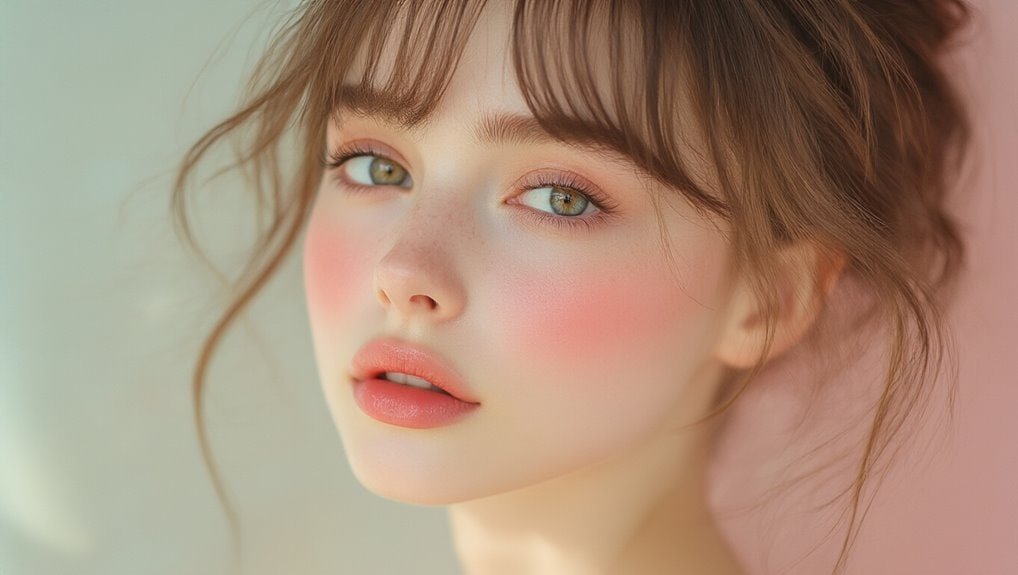
Now that makeup artists have assembled their Igari toolkit, applying these products requires a specific technique that breaks conventional blush placement rules.
The method starts with tapping cream blush high on the cheekbones, extending across the nose bridge in a horizontal band. This placement mimics natural flushing patterns when someone’s genuinely embarrassed or overheated.
Artists then blend the edges softly while maintaining color intensity at the center. They’ll often layer powder blush over cream formulas for longevity. The key lies in building coverage gradually—what distinguishes current igari trends from heavy-handed attempts.
Some professionals add blush to the temples and chin for cohesion. This beauty evolution has transformed how artists approach facial color placement.
They’re no longer confined to traditional apple-of-the-cheek application. Instead, they’re creating dimensional looks that enhance natural bone structure while maintaining that signature sun-kissed, slightly intoxicated appearance that defines authentic Igari makeup.
Common Mistakes to Avoid When Attempting Igari Makeup
When beginners attempt Igari makeup, they’ll often apply blush too low on the face, creating a droopy effect rather than the desired lifted appearance. This placement mistake transforms the youthful flush into an aged, tired look that defeats Igari’s purpose.
Another critical error involves using matte formulas exclusively. Common Igari misconceptions suggest any blush works, but the style demands cream or liquid products that mimic skin’s natural dewiness.
Powder-only application creates a flat, unnatural finish that lacks the signature “just-pinched” glow.
Avoiding makeup pitfalls also means resisting over-blending. Many users blur the edges too much, losing the concentrated color that defines Igari’s charm. The look requires strategic placement with soft but visible borders.
Color selection proves equally important. Cool-toned pinks and mauves won’t achieve the authentic flush.
Instead, warm corals, peaches, and berry shades deliver the sun-kissed effect that makes Igari makeup instantly recognizable and effortlessly charming.
How Igari Fashion Spread From Japan to Global Popularity
While perfecting the technique requires practice, Igari makeup‘s rise from Tokyo streets to international runways happened through social media‘s visual storytelling power.
Japanese beauty influencers first showcased the “hangover blush” look on Instagram and YouTube, enchanting audiences with its youthful, flushed aesthetic. The trend’s authenticity resonated across cultures, offering an alternative to Western contouring techniques.
Korean beauty bloggers quickly adopted Igari, adapting it to K-beauty standards and amplifying its reach throughout Asia.
By 2018, major fashion weeks featured models sporting the signature rosy cheeks and glossy lids. Cultural influences from anime and manga helped Western audiences understand the appeal of this deliberately imperfect look.
The style’s versatility drove global trends, as makeup artists discovered it complemented various skin tones.
TikTok tutorials exploded in 2020, teaching simplified versions that made Igari accessible to beginners.
Today, it’s become a staple technique, proving that Japanese beauty innovations continue shaping international standards.
Variations and Modern Interpretations of the Igari Style
The igari style has evolved beyond its original sun-kissed aesthetic to encompass diverse interpretations across beauty communities worldwide.
Modern practitioners experiment with glossy skin techniques using highlighting products and oils, while others push boundaries with bold blush placement that extends from temples to cheekbones in unexpected colors.
Digital creators have adapted the look for social media, incorporating filters and editing techniques that amplify the style’s signature flushed, youthful appearance.
Glossy Skin Techniques
As beauty trends evolve and merge across cultures, glossy skin has become the hallmark of contemporary Igari interpretations, transforming the traditional flushed-cheek aesthetic into a multidimensional glow.
Modern glossy techniques rely heavily on layering hydrating products to achieve that coveted “glass skin” finish. Makeup artists apply facial mists between foundation layers, mixing liquid highlighters with moisturizers for seamless blending.
They’ll pat glycerin-based serums onto high points before powder application, ensuring skin hydration remains intact throughout wear. The dewy effect intensifies when combined with cream blushes, creating that signature Igari flush with added luminosity.
Some artists even incorporate face oils into their base routine, strategically placing them where natural light hits. This wet-look approach has revolutionized how people achieve the youthful, fresh-faced appearance that defines today’s Igari style.
Bold Blush Placement
Vibrant color choices have revolutionized traditional Igari applications.
While classic looks favored soft pinks and corals, today’s interpretations embrace berry tones, bright oranges, and even lavender hues.
Makeup enthusiasts layer different shades to achieve multidimensional effects.
They’re also incorporating cream formulas beneath powder blushes for enhanced longevity and impact.
This evolution has transformed Igari from a subtle Japanese trend into a globally recognized statement style.
Digital Era Adaptations
When content creators film tutorials and selfies, they’ve discovered that Igari makeup requires specific adjustments for digital platforms. Traditional Igari techniques often appear too subtle on camera, prompting influencers to modify their approach.
Modern digital adaptations include:
- Intensified blush application – creators apply 30% more product for camera visibility
- Strategic highlighting – adding shimmer to cheekbone peaks enhances the flushed effect
- Color correction filters – warm-toned presets complement Igari’s rosy aesthetic
- Ring light positioning – angled lighting accentuates the signature blush placement
Online tutorials now emphasize these camera-friendly techniques.
Beauty influencers regularly demonstrate how smartphone cameras compress colors, requiring bolder application methods. They’ve transformed traditional Igari into a digitally optimized style that maintains its essence while ensuring the look translates effectively across screens and social media platforms.
Best Face Shapes and Skin Tones for Igari Makeup
Round faces naturally complement igari makeup’s soft, circular blush placement, creating harmony between facial structure and application technique. Heart-shaped faces benefit from applying blush slightly lower on the cheekbones to balance proportions. Oval face shapes offer the most versatility, allowing experimentation with various igari placements.
| Face Shape | Best Placement | Key Tip |
|---|---|---|
| Round | Apple of cheeks | Blend outward gently |
| Oval | Center cheeks | Try multiple styles |
| Heart | Below cheekbones | Avoid temple area |
| Square | Soft circles | Focus on center |
| Oblong | Horizontal sweep | Widen appearance |
Igari makeup’s universal appeal extends across all skin tones. Fair complexions shine with peachy-pink hues, while medium tones look stunning in coral shades. Deeper skin tones achieve the signature “hangover” flush using berry or bronze-toned blushes. The technique’s adaptability guarantees everyone can achieve that coveted post-drink glow, regardless of their natural coloring or facial structure.
Incorporating Igari Elements Into Everyday Makeup Routines
While Igari makeup’s signature flushed look might seem bold for daily wear, anyone can adapt its key techniques for a softer everyday approach.
The style’s strategic blush placement—focusing on the apples and bridge of the nose—creates a natural, sun-kissed appearance that works perfectly for casual settings.
Blush Application Techniques
Blush placement makes all the difference in achieving the signature Igari look. Unlike traditional Western techniques, Igari makeup focuses on creating a naturally flushed, “just-been-kissed” appearance that radiates youthful charm.
Key techniques for perfect Igari blush:
- High placement – Apply blush directly on the apples of cheeks and blend upward toward temples.
- Layer cream and powder – Start with cream blush texture for a natural base, then set with powder for longevity.
- Bridge connection – Sweep blush across the nose bridge to create that sun-kissed effect.
- Color harmony matters – Choose warm peachy or coral tones that complement skin’s undertone.
The goal isn’t perfection but rather a lived-in, slightly messy application that mimics natural flushing.
This technique transforms everyday makeup into something effortlessly romantic.
Natural Flush Placement
Although traditional makeup rules emphasize precision, incorporating Igari’s natural flush placement into daily routines creates an approachable, fresh-faced aesthetic that works for any occasion.
Natural flush techniques focus on applying blush high on the cheekbones and across the nose bridge, mimicking genuine skin warmth after physical activity or cold weather exposure. This placement differs from conventional Western application by extending color horizontally rather than diagonally.
The key lies in selecting shades that maintain color harmony with one’s natural skin tone—soft corals for warm undertones, muted roses for cool complexions.
Blending becomes essential; harsh lines destroy the illusion of authentic flushing. Users should tap products gently with fingertips or use circular motions with fluffy brushes, building intensity gradually until achieving that coveted just-pinched appearance.
Subtle Glow Methods
By layering cream products beneath powder formulations, makeup enthusiasts can achieve Igari’s signature luminosity without overwhelming their everyday look. This approach creates depth while maintaining wearability for daily activities.
Essential glow techniques include:
- Mixing liquid highlighter with foundation for an all-over radiance
- Tapping cream blush onto cheekbones before powder application
- Using hydrating primers to enhance natural skin luminosity
- Applying face mist between layers for seamless blending
These methods guarantee the characteristic Igari dewiness remains subtle enough for office settings or casual outings.
The key lies in building transparency rather than intensity. Professionals recommend starting with minimal product amounts and gradually increasing coverage where desired. This controlled application prevents the makeup from appearing too theatrical while preserving Igari’s youthful, fresh-faced aesthetic.
Frequently Asked Questions
Can I Wear Igari Makeup With Glasses or Contact Lenses?
They’ll find that glasses compatibility works well with most makeup styles, though some adjustments help.
When wearing glasses, they should focus color slightly higher on the cheeks since frames can cast shadows.
Contact lenses adjustment isn’t necessary for makeup application, but they’re ideal for showcasing eye makeup details.
Either option works perfectly – it’s about adapting placement and intensity to complement their eyewear choice.
Is Igari Makeup Appropriate for Professional Work Environments?
Professional settings typically favor understated makeup looks that align with workplace norms.
Subtle application techniques can make trendy styles office-appropriate. While bold blush placement might seem unprofessional, toning down the intensity creates a fresh, healthy glow that’s work-friendly.
They’ll find that using a lighter hand with cream products and choosing muted pink tones helps achieve a polished appearance.
It’s about adapting current beauty trends to fit corporate environments respectfully.
How Long Does Igari Makeup Typically Last Throughout the Day?
Makeup longevity varies based on products and skin type, but most looks fade after 6-8 hours of daily wear.
They’ll notice cream blushes and glossy finishes typical of Igari style won’t last as long as powder formulas.
The dewy, flushed appearance requires touch-ups throughout the day since it’s meant to look fresh and naturally radiant.
Setting sprays can help, but they should expect to reapply blush and lip products by afternoon.
Can Men Wear Igari Makeup or Is It Exclusively Feminine?
Men can absolutely wear any makeup style they choose, as makeup inclusivity extends to all genders.
Many male beauty influencers and everyday men embrace various makeup looks for gender expression and personal style.
In the context of Igari fashion, men can create the same youthful, flushed aesthetic that’s popular in Japanese beauty trends.
The soft, natural appearance of Igari makeup works beautifully on anyone who wants to achieve that fresh-faced, slightly tipsy glow.
Does Igari Makeup Photograph Well Under Different Lighting Conditions?
Makeup’s performance under various lighting effects depends heavily on the makeup application techniques used.
Different lighting conditions can dramatically alter how products appear on camera. Harsh lighting often emphasizes texture and imperfections, while soft lighting creates a more forgiving effect.
Professional makeup artists typically adjust their application methods based on anticipated lighting scenarios. They’ll use specific products and techniques that photograph well whether under natural daylight, studio strobes, or mixed lighting environments.
Conclusion
Igari fashion’s transformed beauty standards worldwide, proving that unconventional makeup styles can become mainstream phenomena. What started as Igari Shinobu’s rebellious take on traditional Japanese aesthetics now influences millions who’ve embraced the “hangover flush” look. Whether someone’s creating the full igari effect or incorporating subtle elements into daily routines, this trend’s shown that beauty doesn’t always mean perfection. It’s about capturing that effortless, lived-in charm that makes people look naturally radiant and approachable.

 Amazon.com
 Amazon.com

 Amazon.com
 Amazon.com
 Amazon.com