Fashion styles encompass diverse expressions from classic elegance to streetwear culture, minimalist aesthetics to bohemian freedom. They’ve evolved from 1920s drop waists to today’s gender-fluid designs, reflecting cultural movements and personal values. Modern fashion blends sustainability with self-expression through vintage revivals, athletic wear transformations, and cultural influences. Each style tells a unique story about identity, lifestyle choices, and societal shifts. Fashion continues reshaping how people communicate their authentic selves to the world.
Key Takeaways
- Classic style features timeless pieces like blazers, white shirts, and little black dresses that blend vintage influences with modern fabrics.
- Streetwear emerged from skateboarding and hip-hop cultures, characterized by sneakers, graphic tees, oversized silhouettes, and logo-heavy designs.
- Gender-fluid fashion transcends traditional categories, with brands creating inclusive designs that empower authentic self-expression through clothing choices.
- Minimalist fashion emphasizes clean lines, neutral colors, and high-quality pieces, focusing on versatile capsule wardrobes over fast fashion.
- Bohemian style embraces maximalism with flowing fabrics, vibrant patterns, eclectic layering, and handcrafted accessories inspired by nature.
The Evolution of Classic Style Through the Decades
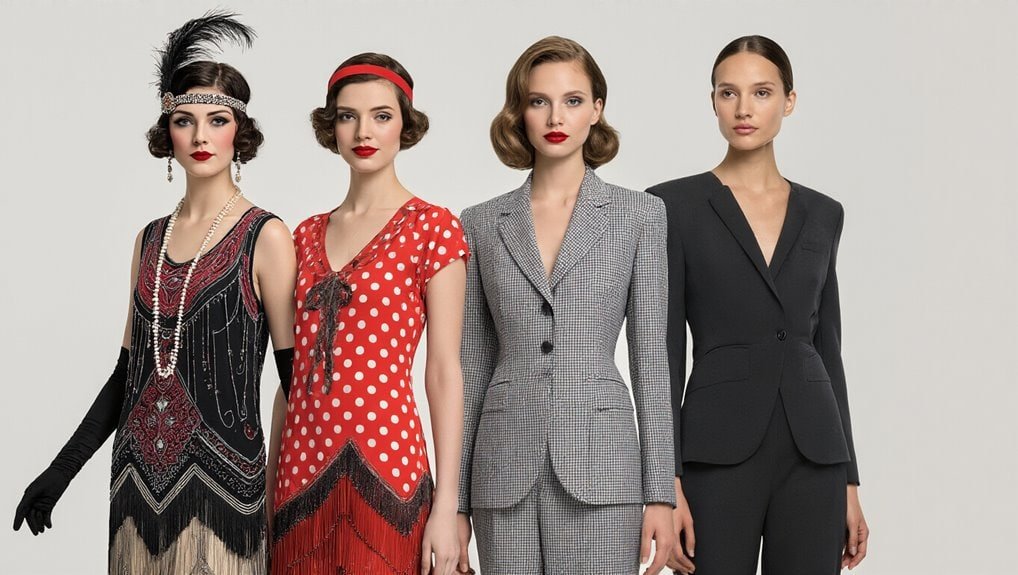
While fashion trends come and go with each passing season, classic style has remained a cornerstone of wardrobes throughout the twentieth and twenty-first centuries. The 1920s introduced streamlined silhouettes that emphasized timeless elegance through drop waists and cloche hats.

During the 1950s, designers like Christian Dior revolutionized classic style with the New Look, featuring cinched waists and full skirts that’ve inspired countless modern interpretations.
The 1960s and 1970s saw classic style adapt to changing social norms while maintaining its sophisticated foundation. Shift dresses and tailored pantsuits became wardrobe staples that still influence today’s professional attire.
Contemporary classic style incorporates retro influences from each decade, blending vintage elements with modern fabrications and fits. Today’s designers regularly reference these historical periods, proving that true classic style transcends time.
Whether it’s a well-cut blazer, crisp white shirt, or little black dress, these pieces continue to anchor wardrobes across generations.
Streetwear Culture and Its Global Impact
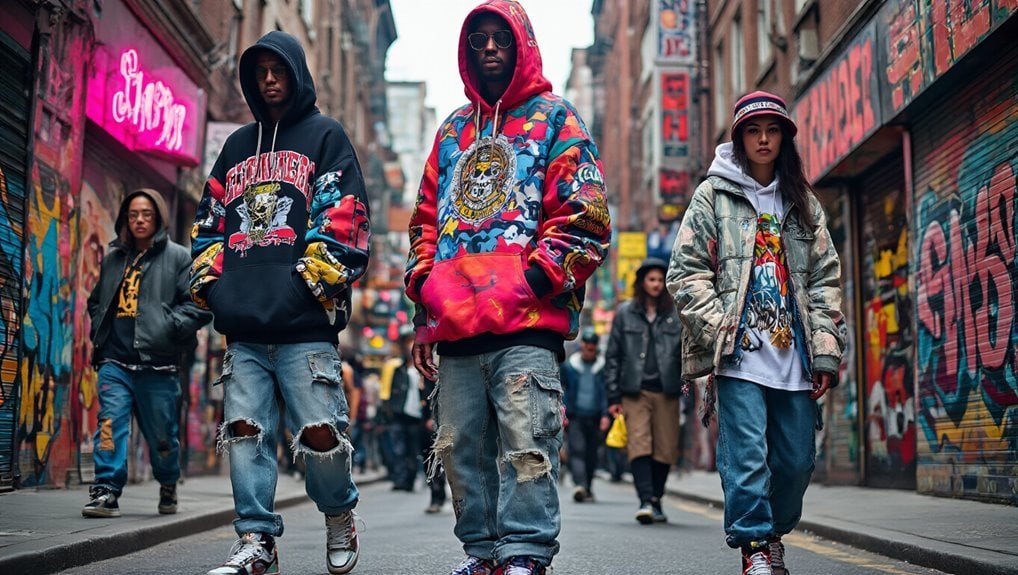
Classic style’s enduring appeal contrasts sharply with the raw energy of streetwear, which emerged from urban subcultures to become fashion’s most influential movement. Born from skateboarding and hip-hop communities, streetwear’s subculture origins transformed global fashion through authentic youth expression and urban aesthetics.
Today’s streetwear icons and global influencers drive billion-dollar fashion collaborations between luxury houses and street brands. This style evolution reflects:
- Sneaker culture dominating retail spaces with limited drops creating fierce brand loyalty
- Graphic tees and hoodies becoming high-fashion staples worth thousands
- Oversized silhouettes replacing tailored fits in boardrooms worldwide
- Logo-heavy designs turning wearers into walking billboards
While streetwear’s mainstream success brings concerns about cultural appropriation, it’s undeniably democratized fashion. Young creators bypass traditional gatekeepers, using social media to launch brands that rival established houses.
This movement’s proven that authentic street credibility trumps heritage, reshaping how fashion’s consumed and created globally.





Minimalist Fashion: The Art of Less Is More
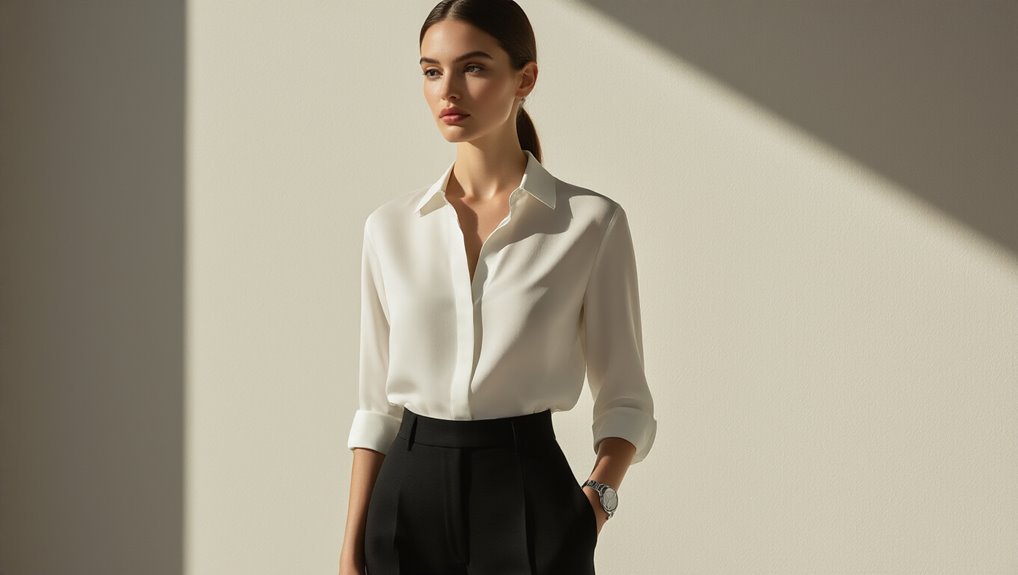
Where streetwear celebrates bold logos and statement pieces, minimalist fashion strips away excess to reveal clothing’s essential form. This design philosophy transforms wardrobes through clean lines, neutral colors, and impeccable tailoring. Minimalist essentials include crisp white shirts, perfectly-fitted black trousers, and streamlined coats that transcend seasonal trends.
The movement’s gained momentum as consumers reject fast fashion‘s chaos. They’re investing in fewer, higher-quality pieces that last years rather than months. Brands like COS, Everlane, and The Row champion this aesthetic, proving that less is more when each garment’s thoughtfully crafted.
Minimalism’s appeal extends beyond aesthetics. It simplifies morning routines, reduces decision fatigue, and creates cohesive looks effortlessly. A capsule wardrobe of 30 versatile pieces can generate countless combinations.
This approach doesn’t mean boring—texture, proportion, and subtle details add visual interest without compromising the clean aesthetic. As sustainability concerns grow, minimalist fashion’s emphasis on quality over quantity resonates with conscious consumers worldwide.
Bohemian Style and Its Creative Freedom
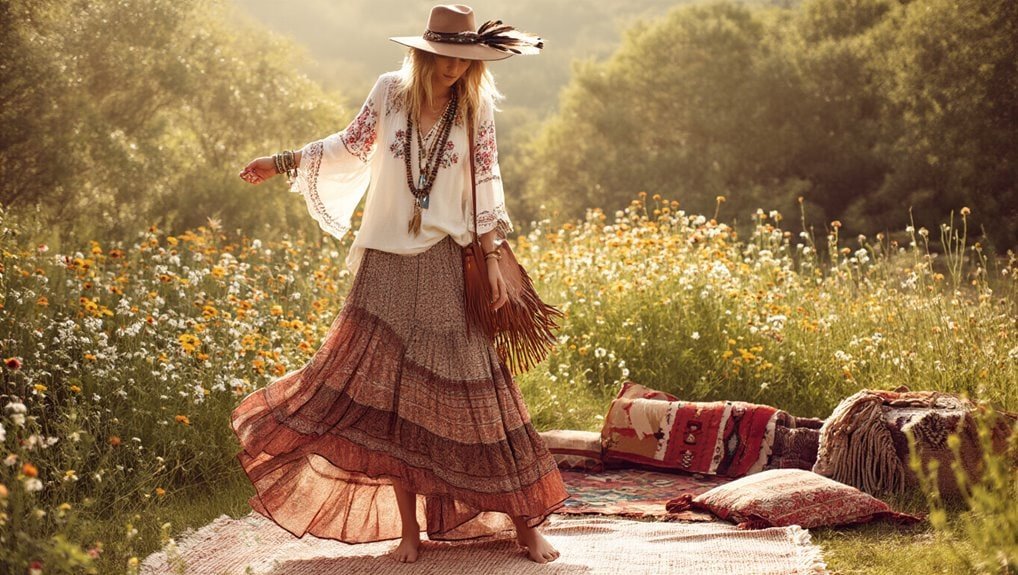
Unlike minimalism’s restraint, bohemian style embraces maximalism through flowing fabrics, vibrant patterns, and eclectic layering. This free-spirited aesthetic draws from cultural influences worldwide, creating looks that celebrate artistic expression through unconventional silhouettes. Bohemian fashion doesn’t follow rules—it makes them.
Key elements define this style:
- Nature-inspired fabrics like cotton, linen, and hemp flow effortlessly
- Vibrant colors mix with earth tones in unexpected combinations
- Free-spirited layers combine vests, kimonos, and scarves without restraint
- Bohemian accessories include beaded jewelry, fringe bags, and handcrafted pieces
What sets boho apart isn’t just its eclectic patterns but how wearers blend textures, prints, and cultural elements into cohesive outfits.
They’ll pair embroidered tunics with distressed denim, add vintage boots, then finish with statement jewelry.
This fashion philosophy transforms clothing into wearable art, where personal creativity trumps conventional styling rules. Every outfit tells a story through its artistic expression.
Vintage Fashion Revival in Modern Wardrobes
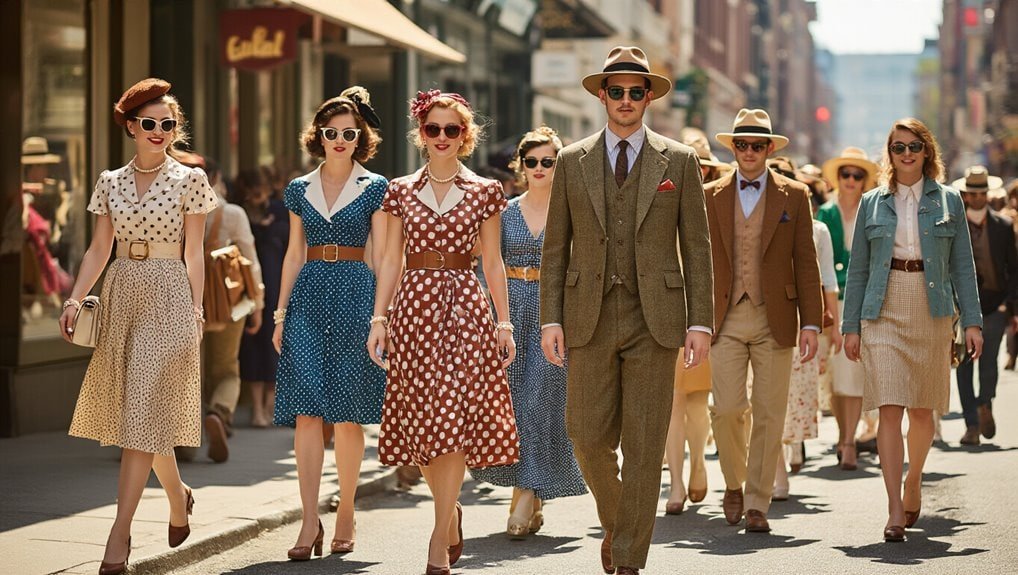
Fashion’s cyclical nature brings past decades roaring back into contemporary closets, proving that style transcends time. Today’s fashion enthusiasts blend vintage pieces with modern staples, creating unique looks that honor the past while embracing the present.
They’re hunting through thrift stores, estate sales, and online marketplaces for authentic pieces from the ’60s, ’70s, ’80s, and ’90s.
Vintage fashion’s appeal lies in its quality construction and distinctive character. Unlike mass-produced fast fashion, these pieces feature superior fabrics and craftsmanship that’ve survived decades.
Fashion-forward individuals incorporate retro accessories like cat-eye sunglasses, silk scarves, and vintage handbags to add personality to contemporary outfits. Thrift shopping’s become both an eco-conscious choice and a treasure hunt for one-of-a-kind finds.
This revival isn’t just nostalgia—it’s a sustainable approach to style. By reimagining vintage pieces, fashion lovers reduce waste while expressing individuality through curated combinations of old and new.
The Rise of Sustainable and Ethical Fashion
Sustainable fashion’s gained significant momentum as designers increasingly turn to eco-friendly materials like organic cotton, recycled polyester, and innovative plant-based alternatives.
Brands now prioritize ethical production practices, ensuring fair wages, safe working conditions, and transparent supply chains throughout their manufacturing processes.
Consumer awareness has sparked this transformation, with shoppers actively seeking clothing that aligns with their environmental values and demanding accountability from fashion companies.
Eco-Friendly Material Choices
As environmental concerns reshape the fashion industry, designers and brands are turning to innovative materials that minimize ecological impact.
They’re revolutionizing clothing production through renewable resources and zero waste fashion principles. These eco conscious accessories and upcycled garments represent fashion’s sustainable future.
Today’s eco-friendly material options include:
- Recycled fabrics – Polyester from plastic bottles and regenerated nylon from fishing nets
- Organic textiles – Pesticide-free cotton, hemp, and bamboo fibers
- Biodegradable materials – Mushroom leather, pineapple leaf fiber, and algae-based fabrics
- Sustainable dyes – Plant-based pigments from turmeric, indigo, and avocado pits
Brands now prioritize these materials to reduce environmental footprints.
They’re creating collections that prove style doesn’t require sacrificing sustainability. This shift transforms how consumers view fashion choices.
Ethical Production Practices
While eco-friendly materials form the foundation of sustainable fashion, ethical production practices determine whether clothing truly benefits people and planet.
Today’s conscious brands prioritize fair wages, safe working conditions, and transparent supply chains throughout their manufacturing processes. They’re partnering with certified factories that guarantee workers’ rights and maintain ethical sourcing standards for all components.
Leading fashion companies now publish detailed reports about their production facilities, allowing consumers to trace garments from fiber to finished product. This transparency extends beyond manufacturing to include environmental impact assessments and labor audits.
Brands are investing in long-term relationships with suppliers who share their values, creating stable employment opportunities in developing regions. By choosing ethically-produced clothing, consumers support businesses that treat workers fairly while maintaining high quality standards.
Consumer Awareness Growth
How have shoppers become so informed about the true cost of their clothing? They’ve witnessed fashion’s environmental impact through documentaries, social media campaigns, and investigative journalism.
Today’s consumers actively research brands’ practices before purchasing.
Consumer preferences have shifted dramatically toward ethical options. Fashion transparency has become non-negotiable for many shoppers who demand:
- Supply chain documentation showing factory locations and worker conditions
- Environmental impact reports detailing water usage and carbon emissions
- Material sourcing information revealing whether fabrics are organic or recycled
- Fair wage certifications proving living wages for garment workers
Brands can’t hide unethical practices anymore. Social media amplifies both praise and criticism instantly.
Young consumers especially vote with their wallets, supporting companies that align with their values while boycotting those that don’t.
Gender-Fluid Fashion Breaking Traditional Boundaries
Fashion’s rigid gender lines have blurred dramatically over the past decade, with designers and consumers alike embracing clothing that transcends traditional masculine and feminine categories. Major brands now showcase gender-neutral designs on runways, proving that fashion inclusivity isn’t just a passing trend but a fundamental shift in how society views gender expression.
Non-binary trends have revolutionized retail spaces, with stores eliminating separate men’s and women’s sections. Fluid silhouettes dominate collections, featuring oversized blazers, wide-leg pants, and versatile pieces that anyone can wear.
Androgynous Styles have gained mainstream acceptance, from Harry Styles’ Gucci campaigns to Billie Eilish’s baggy streetwear.
Fashion activism drives this movement forward, with independent designers creating clothes that celebrate style versatility rather than conformity. They’re designing garments that adapt to individual preferences, not prescribed gender norms.
This shift represents more than aesthetic choices—it’s a cultural revolution that empowers people to dress authentically, regardless of societal expectations.
Athletic Wear Transforming Everyday Style
Once confined to gyms and sports fields, athletic wear has conquered streets, offices, and social gatherings with its comfortable functionality and sleek aesthetics.
Today’s consumers aren’t choosing between comfort meets style—they’re demanding both. Athletic aesthetics have revolutionized wardrobes, transforming how people dress for work, leisure, and everything in between.
Modern athleisure embraces versatility through:
- Moisture-wicking blazers paired with tailored joggers for boardroom meetings
- Designer sneakers complementing silk dresses at evening events
- Performance leggings styled with cashmere sweaters for weekend brunches
- Technical fabrics in button-downs offering stretch and breathability
Brands now engineer clothing that shifts seamlessly from morning workouts to afternoon presentations.
The movement reflects society’s shift toward active lifestyles and flexible work environments. High-performance materials meet luxury design, creating pieces that support movement while maintaining professional polish.
This fusion has permanently altered fashion’s landscape, proving that athletic wear isn’t just a trend—it’s become essential to contemporary style.
Cultural Fashion Movements and Their Influence
While athletic wear reshapes daily wardrobes, cultural fashion movements drive deeper transformations in how societies express identity through clothing. These movements reflect cultural influences that’ve shaped global trends throughout history. From punk’s rebellious safety pins to hip-hop’s oversized silhouettes, each movement carries historical significance beyond mere aesthetics.
Style icons emerge from these movements, transforming fashion statements into powerful forms of identity representation. They’ve championed cultural diversity by incorporating traditional attire into mainstream fashion, creating fusion styles that honor heritage while embracing modernity.
Japanese street fashion’s influence on Western designers exemplifies how artistic expression transcends borders.
Today’s fashion movements don’t just borrow from cultures—they celebrate them. Designers increasingly recognize that authentic representation matters more than appropriation.
African prints dominate runways, Indigenous patterns inspire luxury collections, and South Asian embellishments influence evening wear. These cultural exchanges‘ve democratized fashion, proving that true style innovation comes from embracing the world’s rich tapestry of traditions.
Personal Style Development and Self-Expression
Personal style development begins when someone discovers their unique aesthetic through experimenting with different looks, colors, and silhouettes that resonate with their personality.
They’ll craft signature looks by combining favorite pieces in ways that feel authentic, gradually building a wardrobe that reflects their evolving identity.
This style evolution journey continues throughout life as people’s tastes mature, circumstances change, and they gain confidence in expressing themselves through fashion choices.
Finding Your Aesthetic
How does someone discover their unique fashion aesthetic when countless style options exist? Fashion psychology suggests that aesthetic discovery begins with understanding one’s lifestyle and personality.
Creating a mood board helps visualize fashion inspirations and identify patterns in preferred looks.
Effective style experimentation involves:
- Studying style icons who resonate with personal values
- Testing different wardrobe essentials without major investments
- Developing a signature color palette that complements skin tone
- Documenting outfits to track what feels authentic
Personal branding through fashion becomes clearer when individuals embrace visual storytelling.
They’ll notice recurring themes in their choices—whether minimalist, bohemian, or edgy. This self-awareness transforms random purchases into intentional selections that reflect their evolving aesthetic vision.
Building Signature Looks
After someone discovers their aesthetic preferences, they’ll need to translate these insights into consistent, recognizable looks that become their fashion signature.
Building a personal style starts with selecting signature pieces that anchor outfits—perhaps a leather jacket, statement boots, or vintage blazer. They’ll establish color palettes that complement their complexion and lifestyle while choosing iconic silhouettes that flatter their body type.
Smart outfit planning involves mastering layering techniques and mixing fabric combinations for visual interest. They’ll curate wardrobe essentials that work across seasons, adapting seasonal trends to fit their aesthetic rather than following them blindly.
Thoughtful accessory choices elevate basic looks into memorable ensembles. Many find inspiration from style icons who’ve perfected similar aesthetics, adapting those influences to create something uniquely their own.
Style Evolution Journey
Style naturally shifts and grows as people move through different life stages, reflecting their changing values, experiences, and self-perception. Fashion reflections mirror internal transformations, marking significant style milestones along one’s personal journey.
Key Evolution Phases:
- Teenage experimentation – Bold colors, trend-following, identity searching
- Young adult refinement – Professional wardrobe building, budget-conscious choices
- Mid-life confidence – Quality investments, signature pieces, authentic expression
- Mature sophistication – Comfort-meets-elegance, timeless selections
Each phase brings new discoveries about what feels authentic. People’s wardrobes become visual narratives of their growth, documenting career changes, lifestyle shifts, and evolving priorities.
They’ll notice how certain pieces no longer resonate while others become cherished staples. This continuous evolution isn’t about following rules—it’s about honoring who they’re becoming through mindful clothing choices.
Frequently Asked Questions
How Much Should I Budget for Building a Versatile Wardrobe?
One’s wardrobe allocation depends on income, lifestyle, and personal priorities.
They’ll typically need $500-$2,000 for building a basic versatile collection. Budget planning should include dividing funds across essential categories: tops, bottoms, outerwear, shoes, and accessories.
They shouldn’t spend more than 5% of annual income on clothing. Starting with quality basics in neutral colors, they can gradually add pieces.
Thrift stores and sales help stretch the budget further.
What Fashion Styles Work Best for Different Body Types?
Different body types benefit from specific clothing approaches.
Hourglass silhouettes shine in fitted styles that emphasize natural curves, while athletic cuts look great in pieces that create dimension through layering or textured fabrics.
Those with pear shape styles find balance with structured shoulders and A-line bottoms.
Petite fashion works best with vertical lines and proper proportions.
Everyone’s style journey involves discovering what flatters their unique shape while expressing personal taste.
How Do I Care for Delicate Fabrics and Materials Properly?
One should hand wash delicate fabrics in cold water with gentle detergent.
They’ll find that silk care requires air drying away from direct sunlight to prevent fading.
For wool maintenance, they shouldn’t wring or twist the fabric; instead, they’ll press out excess water gently.
They’re advised to store silk in breathable bags and fold wool items with tissue paper to prevent creasing and maintain shape.
Where Can I Find Reliable Fashion Stylists or Personal Shoppers?
Finding reliable fashion stylists starts with checking stylist reviews on platforms like Yelp and Google.
They’ll discover qualified professionals through personal shopper recommendations from friends or social media groups.
Department stores like Nordstrom and Saks offer complimentary styling services.
Online platforms such as Stitch Fix and Trunk Club connect clients with experienced stylists.
Local fashion boutiques often provide personalized shopping assistance.
Professional associations like the Association of Image Consultants International list certified stylists.
What Are the Essential Wardrobe Pieces Every Person Needs?
Every person’s closet needs certain wardrobe staples that’ll work year-round.
They’ll want well-fitted jeans, a white button-down shirt, and a versatile blazer that shifts from casual to formal.
A little black dress or dark suit serves multiple occasions.
They shouldn’t forget seasonal essentials like a quality coat for winter and breathable tees for summer.
These foundational pieces mix and match easily, creating countless outfit combinations.
Conclusion
Fashion’s diverse landscape offers endless possibilities for personal expression. From classic elegance to streetwear’s urban edge, minimalist restraint to bohemian freedom, today’s styles reflect individual creativity and cultural evolution. Vintage pieces blend with modern designs while athletic wear reshapes daily dressing. As gender-fluid fashion challenges conventions and cultural movements inspire new trends, fashion’s become a powerful tool for identity. Everyone’s unique style journey contributes to fashion’s ever-changing, beautifully complex tapestry.

 Amazon.com
 Amazon.com
 Amazon.com
 Amazon.com
 Amazon.com
 Amazon.com





9 Outdated Trends to Finally Let Go Of, and What You Should Be Wearing Instead Real Simple...
News Just In: These Are the Winter 2025 Fashion Trends I've Already Spotted French Women Wearing Who What Wear...
The Celebrity Outfits Everyone Is Talking About (and Copying) This Fall ELLE...
This Unexpected Jacket Trend Is Defining My Parisian Style Marie Claire...
Street Style Look of the Week: Comfortable Fall Clothes The New York Times...
Style Folio: Jenny Tsang’s Must-Have Items for Fashion Week Prestige Hong Kong...
The 10 Top Spring 2026 Trends, Straight From Fashion Month FASHION Magazine...
TJ Maxx Just Dropped So Many New Fall Styles Under $50—Here, the 15 Best Ones for Travel, Starting at $17 Travel + Leisure...
These 5 Nostalgic Fashion Trends Are All I Want to Wear Right Now PureWow...
Fall Fashion Trends: Knit Top, Baggy Jeans, and a Longchamp Tote Bag readtheforum.org...