Y2K fashion for men transformed menswear with baggy jeans featuring 30-inch leg openings, oversized graphic tees with metallic prints, and cargo pants that became street style essentials. Hip-hop culture drove the trend through dramatically loose fits, while tech-inspired accessories like chain wallets, tinted sunglasses, and chunky platform sneakers completed the futuristic aesthetic. Brands like FUBU, Ecko Unltd, and Tommy Hilfiger dominated wardrobes with bold logos and metallic fabrics. These iconic pieces continue shaping modern streetwear.
Key Takeaways
- Baggy jeans, cargo pants, and low-rise cuts with oversized graphic tees defined Y2K men’s fashion
- Hip-hop culture popularized oversized jerseys, baggy fits, and prominent brand logos like FUBU and Ecko
- Essential accessories included bucket hats, chain wallets, tinted sunglasses, and chunky platform sneakers
- Metallic fabrics, flame graphics, and futuristic designs characterized the era’s bold aesthetic
- Modern styling combines one or two vintage Y2K pieces with contemporary basics for balanced outfits
Essential Y2K Wardrobe Pieces Every Guy Should Know
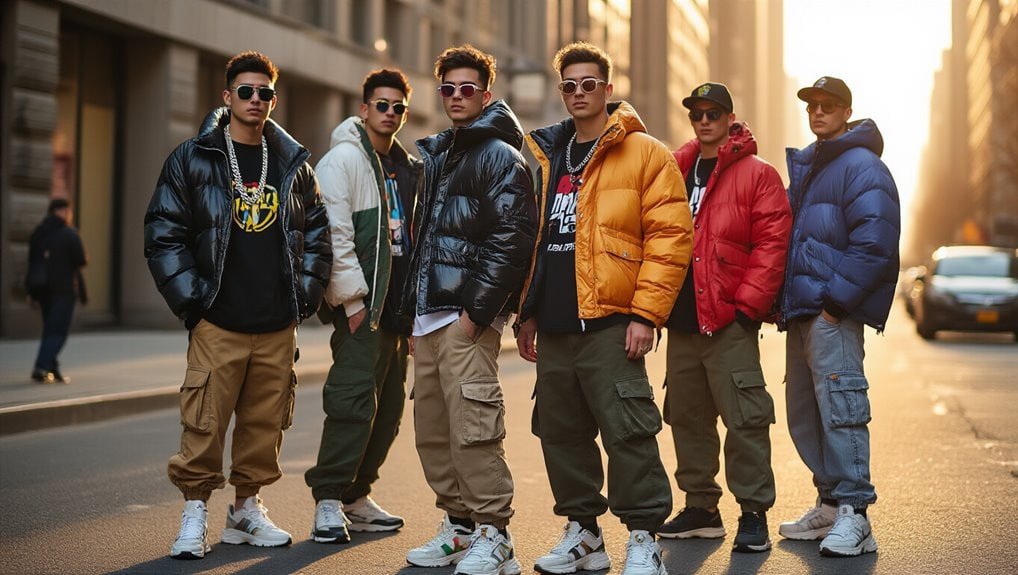
When guys want to nail the Y2K aesthetic, they’ll need to stock their closets with specific pieces that defined the era’s bold, futuristic style.

Baggy jeans anchored every outfit, often paired with oversized graphic tees featuring tech-inspired designs or pop culture references. Cargo pants became street style staples, offering both functionality and that distinctive early-2000s silhouette.
Track jackets in metallic fabrics or bold color-blocking captured the era’s sporty-meets-space-age vibe. Guys layered mesh tops under button-ups or wore them solo for an edgier look.
Accessories played vital roles too—bucket hats, chain wallets, and tinted sunglasses completed outfits. Footwear ranged from chunky skate shoes to sleek running sneakers with visible air bubbles.
The key to Y2K fashion lies in mixing athletic wear with tech-inspired pieces. Men embraced experimental combinations that reflected the optimistic, digital-forward mindset of the millennium’s turn.

Baggy Jeans and Low-Rise Pants: The Y2K Denim Revolution
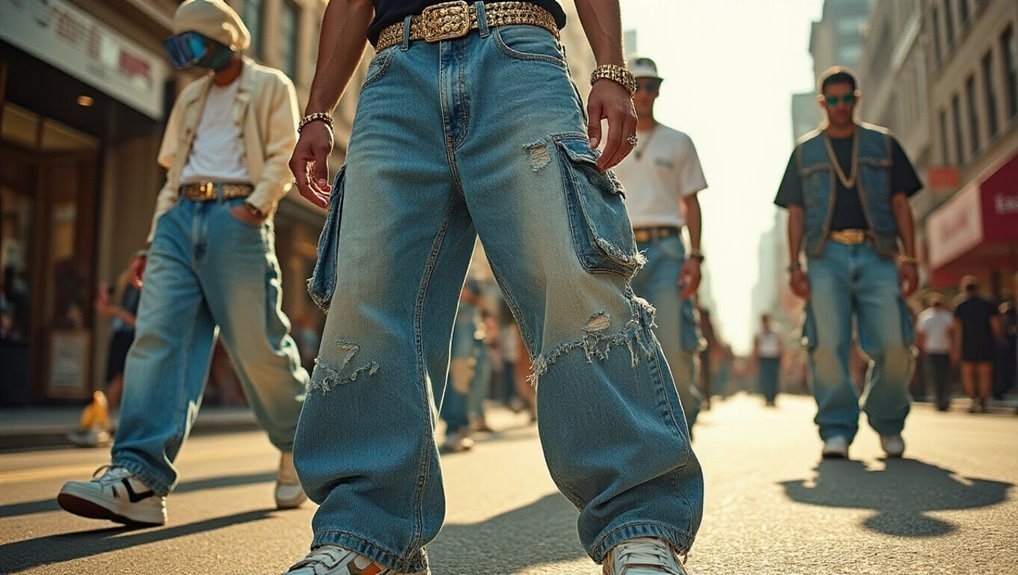
Denim in the Y2K era broke every rule that came before it. Men’s jeans transformed from fitted silhouettes into oversized statements that defined the decade’s baggy aesthetics. This radical shift in denim trends saw waistlines drop dramatically while leg widths expanded to extreme proportions.
The Y2K denim revolution embraced several key characteristics:
- JNCO and Kikwear brands pioneered 30-inch leg openings
- Carpenter loops and multiple pockets became standard features
- Stone washing and distressing added an authentic, worn-in appeal
- Sagging became mainstream, exposing designer boxer brands
Low-rise cuts dominated men’s fashion, sitting several inches below the natural waist. Paired with oversized tees or jerseys, these jeans created the signature Y2K silhouette.
Hip-hop culture heavily influenced these denim trends, with artists showcasing increasingly baggier styles in music videos. The movement wasn’t just about comfort—it represented rebellion against ’90s grunge and ’80s tight fits.
Tech-Inspired Accessories That Defined the Era
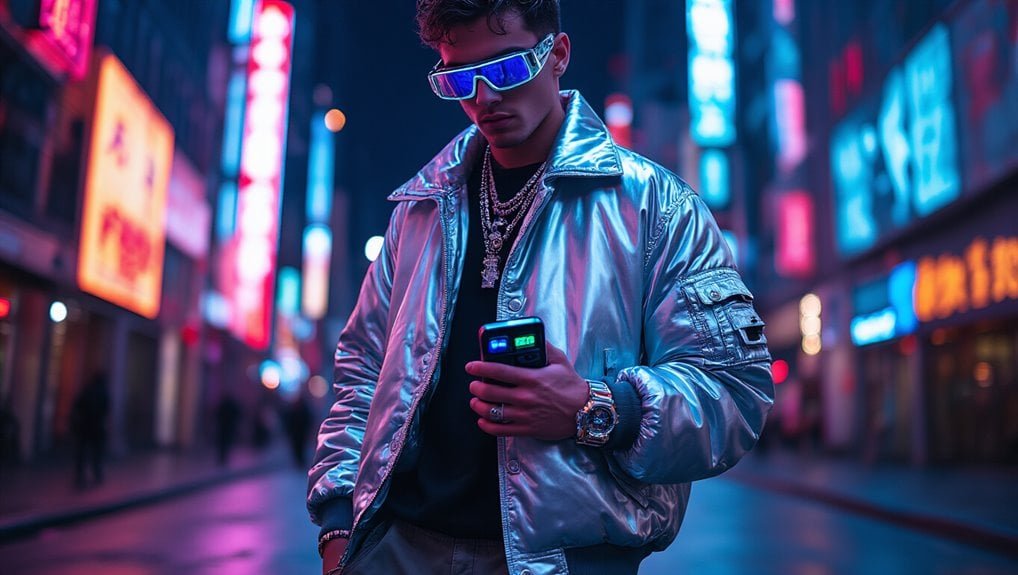
Technology’s influence on Y2K fashion extended far beyond clothing into a new category of accessories that merged style with functionality.
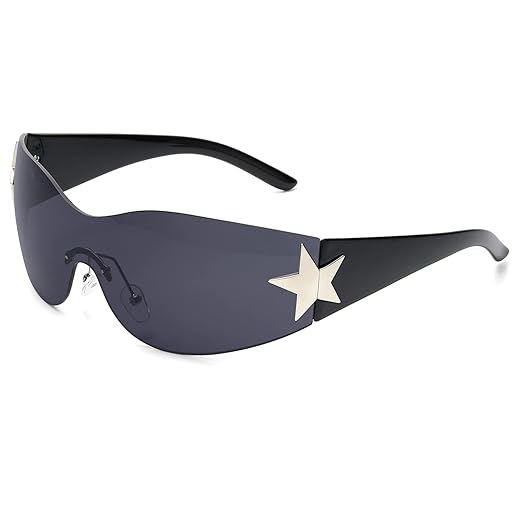
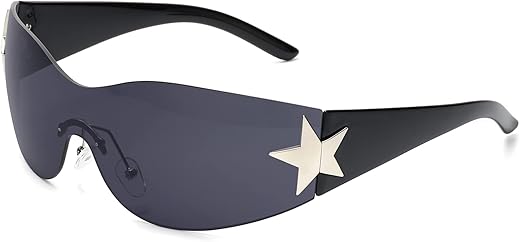
Men embraced futuristic eyewear with metallic frames, colored lenses, and wraparound designs that looked straight out of sci-fi movies. These sunglasses weren’t just protective gear—they became statement pieces that defined one’s tech-savvy persona.
Digital watches experienced their golden age during this period. Casio’s G-Shock models and calculator watches dominated wrists, while LED displays and multiple time zones signaled technological sophistication. Men wore these timepieces as badges of digital literacy.
Other tech-inspired accessories included chain wallets with metallic finishes, holographic belts, and MP3 player cases worn as fashion statements.
Cell phone holsters clipped to belts became status symbols. Even jewelry took on industrial aesthetics with USB pendants and circuit board cufflinks.
These accessories transformed everyday tech into fashionable expressions of the digital revolution.



Graphic Tees and Logo Mania of the Millennium
While tech accessories signaled digital sophistication, graphic tees and prominent logos became the canvas for personal expression in Y2K fashion.
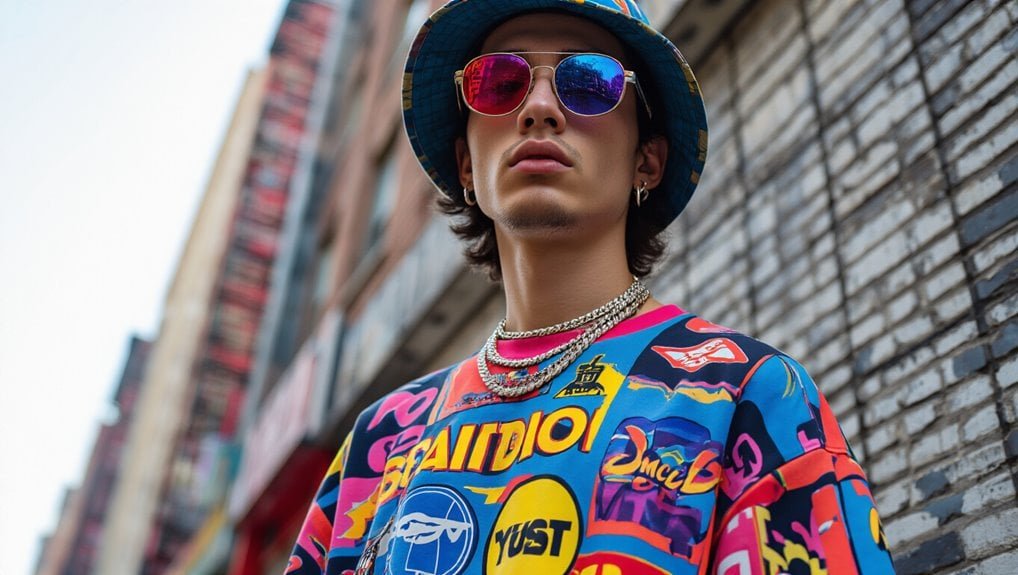
Men’s wardrobes transformed into walking billboards as oversized brand names and bold graphics dominated chest space. The era’s graphic tee trends weren’t subtle—they screamed for attention through metallic prints, flame designs, and futuristic fonts.
Logo nostalgia reached peak levels as guys proudly displayed:
- Tommy Hilfiger’s massive flag logos across oversized tees
- Ecko Unltd’s rhinoceros emblems in reflective, holographic finishes
- FUBU’s “For Us By Us” statements in bold, block lettering
- Tribal and dragon graphics mixed with brand names
These weren’t just shirts; they’re status symbols that communicated brand loyalty and street credibility.
Rappers and pop stars amplified the trend, making logo-heavy clothing essential for any millennium-ready wardrobe. The bigger and shinier the logo, the better—subtlety hadn’t been invented yet in Y2K men’s fashion.
The Rise of Cargo Pants and Utility Fashion
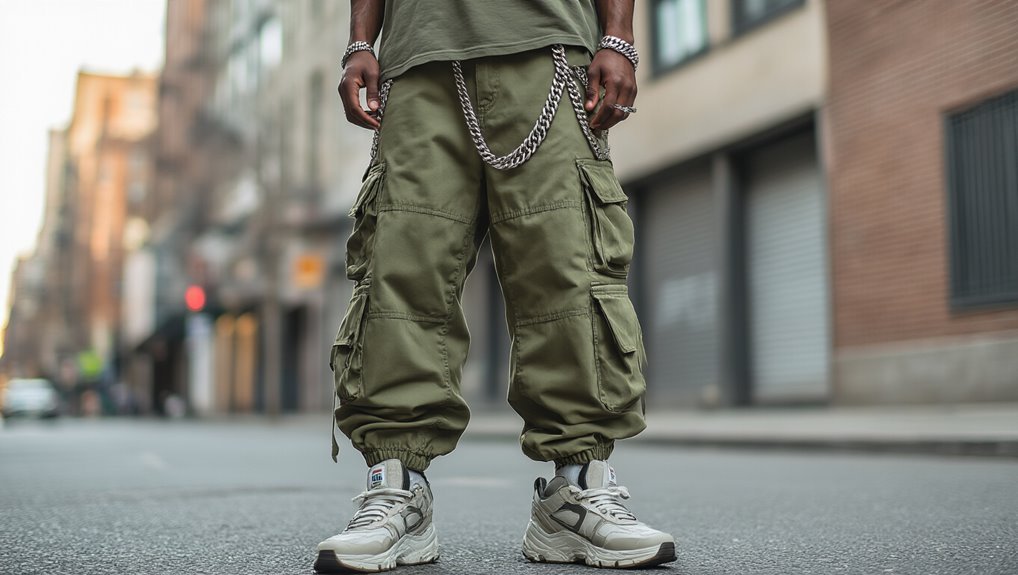
As millennium fever swept through men’s fashion, cargo pants emerged as the ultimate symbol of utilitarian cool. These multi-pocketed trousers weren’t just clothing; they represented a lifestyle that valued functionality over formality. Young men stuffed cargo pockets with CD players, pagers, and flip phones, transforming their pants into wearable storage systems.
The utility trend didn’t stop at pants. Utility vests became the perfect layering piece, offering even more pockets for gadgets and gear. Brands like JNCO, Dickies, and Old Navy capitalized on this craze, producing oversized cargo styles in khaki, olive, and black.
Fashion-forward guys paired their cargos with graphic tees and chunky sneakers, creating the quintessential Y2K silhouette. This practical aesthetic reflected the era’s tech-obsessed culture. Men wanted clothing that could keep pace with their increasingly digital lives.
The more pockets, zippers, and straps, the better – turning everyday outfits into tactical gear for the modern world.
Y2K Footwear: From Chunky Sneakers to Skate Shoes
Y2K footwear transformed men’s style through two dominant trends that defined the era’s aesthetic.
Chunky platform sneakers like Fila Disruptors and Nike Air Monarchs became status symbols, adding inches of height with their exaggerated soles and bold colorways.
Meanwhile, classic skate shoes from brands like Vans, DC, and Etnies crossed over from skateparks to mainstream fashion, offering a more understated alternative with their padded tongues and durable suede construction.
Chunky Platform Sneakers
The chunky platform sneaker became the ultimate status symbol of Y2K footwear, transforming everyday athletic shoes into towering statements of tech-inspired rebellion. These oversized kicks dominated chunky sneaker trends, featuring exaggerated proportions that defied traditional athletic design.
Key characteristics defined these retro sneaker styles:
- Multiple layers of thick rubber soles reaching 3-4 inches high
- Metallic accents and reflective materials mimicking futuristic tech
- Bold colorways mixing neon highlights with silver and black bases
- Excessive branding and logo placements across every surface
Brands like Skechers, FILA, and Buffalo pioneered the movement, while luxury houses quickly followed suit.
Men paired these statement shoes with baggy cargo pants and oversized jerseys, creating proportions that emphasized the shoe’s dramatic silhouette.
The style’s popularity peaked around 2000-2001 before gradually declining as minimalist aesthetics emerged.
Classic Skate Shoe Styles
Three iconic brands dominated the skate shoe landscape during the Y2K era, transforming skateboarding footwear into mainstream fashion essentials. Vans, DC Shoes, and Etnies became cultural phenomena, their chunky silhouettes and padded tongues defining early 2000s street style.
These shoes weren’t just for riders with vintage skateboards anymore—they’d crossed into everyday wear.
Iconic skateboarders like Tony Hawk and Bam Margera influenced design choices, from extra-wide laces to bold color combinations. The era’s signature features included thick rubber soles, suede uppers, and oversized logos.
Men paired these shoes with baggy jeans and graphic tees, creating looks that screamed Y2K authenticity.
Today’s fashion revival has brought these classic styles back, proving their enduring appeal beyond the skate park.
Metallic and Reflective Materials in Men’s Fashion
When the new millennium approached, fashion embraced a futuristic aesthetic that made metallic and reflective materials essential elements of men’s wardrobes. These eye-catching fabrics transformed ordinary outfits into bold statements that captured Y2K’s techno-optimism.
Popular metallic and reflective pieces included:
- Silver nylon windbreakers with iridescent panels
- Holographic sneakers featuring chrome accents
- Metallic textures on baggy cargo pants
- Reflective finishes on oversized puffer jackets
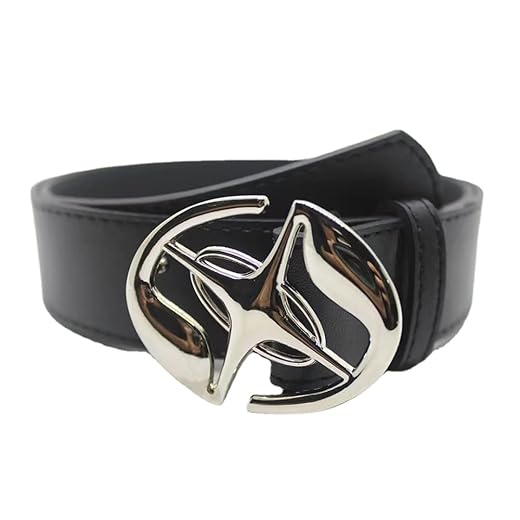
Designers incorporated these materials into everything from casual streetwear to club attire. Shiny silver belts, metallic mesh tops, and reflective track suits dominated the era’s fashion landscape.
The trend wasn’t subtle—men embraced head-to-toe metallic looks or used reflective accessories as focal points.
These materials represented technology’s influence on fashion, creating a space-age aesthetic that defined the period. The shine and shimmer of these fabrics embodied the era’s excitement about the future, making them indispensable to authentic Y2K style.
Hip-Hop’s Influence on Y2K Men’s Style
Hip-hop artists transformed men’s fashion at the turn of the millennium by popularizing dramatically baggy jeans that sat low on the hips and pooled around sneakers.
Oversized sports jerseys became everyday wear as rappers elevated them from athletic gear to street fashion statements.
The era’s “bling culture” made diamond-encrusted chains, grills, and watches essential accessories that defined masculine style and status.
Baggy Jeans Revolution
During the late 1990s, oversized denim transformed from underground streetwear into mainstream fashion’s biggest statement. Hip-hop artists popularized baggy silhouettes that defied traditional tailoring rules. These jeans weren’t just loose—they revolutionized how men approached comfort and style.
The era’s signature denim textures included:
- Raw, unwashed indigo that’d fade naturally
- Pre-distressed finishes with strategic tears
- Acid-washed treatments create unique patterns
- Embroidered details featuring logos or graphics
Brands like JNCO and Ecko pushed boundaries with leg openings exceeding 30 inches. Men paired these statement pieces with oversized tees and fresh sneakers.
The trend represented rebellion against fitted ’80s styles while embracing hip-hop’s cultural dominance. By 2000, even luxury brands had adopted relaxed fits, cementing baggy jeans as Y2K’s defining menswear silhouette.
Oversized Jerseys Era
Basketball jerseys transformed from athletic gear into street fashion’s crown jewel throughout the Y2K era. Hip-hop artists like Jay-Z and Nelly popularized wearing NBA jerseys as everyday outfits. The bigger, the better—men’s wardrobes featured XXL and XXXL jerseys worn over white tees.
| Jersey Style | Popular Teams | Key Features |
|---|---|---|
| Mitchell & Ness | Lakers, Bulls | Vintage sports logos |
| Champion Authentics | Knicks, Celtics | Oversized graphics |
| Nike Swingman | Heat, Sixers | Bold colorways |
These jerseys weren’t just clothing; they represented cultural identity. Men paired them with baggy jeans, Timberlands, and fitted caps. The style crossed racial and economic boundaries, uniting suburban kids with inner-city trendsetters. From Eminem’s concerts to MTV’s TRL, oversized jerseys defined masculine fashion’s rebellious spirit during Y2K’s peak years.
Bling Culture Impact
While oversized jerseys dominated wardrobes, men’s accessories underwent their own revolution through hip-hop’s glamorous aesthetic. The bling culture reshaped how men approached personal style, making flashy jewelry a mainstream phenomenon. Artists like Nelly, Jay-Z, and P. Diddy popularized extravagant displays of wealth through their accessories.
This era’s signature bling accessories included:
- Diamond-encrusted chains with oversized pendants
- Grillz covering teeth in gold and platinum
- Multiple rings on every finger
- Iced-out watches are worth more than cars
Hip-hop’s influence transformed men’s fashion from understated to unapologetically bold. Platinum replaced gold as the metal of choice, while diamonds became essential rather than optional.
This movement didn’t just change what men wore—it revolutionized their entire relationship with jewelry and self-expression.
Modern Ways to Style Y2K Pieces Today
As fashion cycles continue to evolve, incorporating Y2K pieces into contemporary wardrobes requires a balanced approach that honors the era’s boldness while maintaining modern sophistication.
Today’s stylists recommend mixing vintage finds with current essentials to avoid costume-like appearances. A metallic puffer jacket pairs perfectly with minimalist black jeans and sleek sneakers, creating an outfit that’s both nostalgic and fresh.
Y2K layering techniques remain relevant when executed thoughtfully. Try wearing a mesh top under an oversized blazer or combining a graphic tee with an unbuttoned bowling shirt. These combinations add visual interest without overwhelming the look.
Retro color palettes work best in controlled doses—incorporate electric blues or neon greens through accessories rather than full outfits. Statement sunglasses, bucket hats, or chunky chains provide just enough Y2K flair.
The key is selecting one or two era-specific pieces per outfit, allowing them to shine against a neutral backdrop.
Where to Shop for Authentic Y2K Men’s Clothing
Three distinct shopping avenues offer the best chances of finding authentic Y2K men’s clothing in today’s market. Vintage thrift stores remain goldmines for original pieces, offering everything from cargo pants to graphic tees at reasonable prices.
Shoppers who frequent these locations often discover rare finds that haven’t been available in retail for decades.
Online marketplaces like Depop, Grailed, and eBay connect buyers with sellers worldwide, expanding access to authentic Y2K pieces. These platforms feature:
- Original band merchandise and tour shirts
- Vintage sportswear from Champion, FUBU, and Ecko
- Authentic baggy jeans from JNCO and Kikwear
- Classic accessories like bucket hats and chain wallets
Specialty vintage boutiques curate high-quality selections, though they’re typically pricier than thrift stores.
They’ll authenticate items and often restore pieces to near-original condition. Some shops focus exclusively on specific Y2K subcategories like streetwear or skate brands, making targeted searches more efficient for collectors seeking particular items.
Frequently Asked Questions
What Hairstyles Were Popular for Men During the Y2K Era?
During the early 2000s, guys embraced several distinct hairstyles that defined the era.
Skater hairstyles dominated youth culture, featuring long, swept bangs that partially covered one eye.
Spiky hair became the go-to look for many, achieved with excessive gel to create sharp, upward points.
They’d also sport frosted tips, bleached streaks, and emo-inspired cuts with dramatic side parts.
These styles reflected the decade’s experimental approach to men’s grooming.
Which Celebrities Best Represented Y2K Men’s Fashion Style?
Justin Timberlake and Pharrell Williams defined men’s fashion during the early 2000s.
Timberlake’s frosted tips, oversized jerseys, and denim-on-denim looks became iconic. He’d pair baggy jeans with bandanas and chunky sneakers.
Pharrell brought streetwear to mainstream fashion, sporting trucker hats, colorful sneakers, and graphic tees.
Both stars influenced how young men dressed, making casual streetwear and hip-hop-inspired clothing the dominant style of that era.
How Did Y2K Fashion Differ Between Various Global Regions?
Fashion trends varied considerably across global regions during this era.
European influence brought minimalist designs with sleek silhouettes and muted color palettes, while Asian trends embraced bold graphics, experimental layering, and vibrant streetwear aesthetics.
Japan’s Harajuku culture promoted eclectic mixing, Korea favored oversized fits, and Western Europe championed tailored casual wear.
These regional differences reflected each area’s unique cultural values and youth movements of the time.
What Fragrances and Colognes Defined the Y2K Era for Men?
Men’s fragrances during the late ’90s and early 2000s featured bold, distinctive fragrance notes that became era-defining.
Cologne brands like Acqua di Gio, Cool Water, and CK One dominated the market with their fresh aquatic and citrus compositions.
These scents often combine marine accords with woody bases, creating that signature clean yet masculine aroma.
Tommy Hilfiger’s Tommy and Polo Sport also captured the period’s optimistic, sporty aesthetic perfectly.
Why Did Y2K Fashion Initially Fall Out of Style?
Fashion evolution in the mid-2000s saw cultural shifts that rejected Y2K’s flashy aesthetics.
Minimalism and refined styles replaced the era’s bold metallics, oversized logos, and tech-inspired designs. The economic downturn of 2008 accelerated this change, as consumers favored timeless pieces over trend-driven items.
Society’s growing environmental consciousness also contributed, pushing fashion toward sustainability rather than Y2K’s disposable, fast-fashion mentality that once dominated retail spaces.
Conclusion
Y2K men’s fashion isn’t just a nostalgic trip—it’s a bold style movement that’s reshaping today’s wardrobes. From baggy jeans to metallic fabrics, these millennium-era trends offer endless possibilities for self-expression. Whether someone’s channeling hip-hop vibes with cargo pants or keeping it simple with graphic tees, Y2K fashion lets guys break free from conventional style rules. The era’s fearless approach to fashion continues inspiring new generations who aren’t afraid to experiment.
 Amazon.com
 Amazon.com
 Amazon.com
 Amazon.com

 Amazon.com





Y2K Reworked: How Menswear Caught the Millennium Bug OPUMO...
15 Best 2000s Fashion for Men The Trends To Know for 2025 FashionBeans...
Y2K Revives With Pearls And DIY Charm: Men’s Accessories Get A Nostalgic Upgrade Style Rave...
Baggy Jeans for Men: The 2025 Style Guide ldnfashion...
Louis Vuitton Debuts SS25 Men’s Campaign by Pharrell Williams Prestige Hong Kong...
What Is Y2K Fashion & Why are Y2K Outfits Trending In 2024 Her Circle...
Y2K vintage and other fashion trends for 2024 - Ervolino Bergen Record...