A$AP Rocky’s “Fashion Killa” revolutionized hip-hop romance in 2012 by transforming luxury brand names into intimate love language. Producer Hector Delgado crafted a hypnotic beat with ethereal synthesizers and muted 808s that perfectly complemented Rocky’s rapid-fire designer name-drops. The track’s music video became a high-fashion editorial featuring Rihanna, cementing Rocky’s status as a style icon. This groundbreaking fusion of street culture and haute couture continues shaping how artists express both love and fashion today.
Key Takeaways
- “Fashion Killa” is a 2012 A$AP Rocky song that merges romance with fashion through luxury brand name-drops as expressions of love.
- Produced by Hector Delgado, the track features ethereal synthesizers and muted 808 drums, creating a hypnotic, minimalist soundscape.
- The music video starred Rihanna and served as a high-fashion editorial merging street culture with haute couture.
- The song established A$AP Rocky as a style icon and influenced luxury brands to recognize hip-hop’s cultural significance.
- Rocky transforms designer names into romantic language, using fashion literacy as an intimate expression throughout the track’s verses.
The Birth of Hip-Hop’s Most Luxurious Love Song
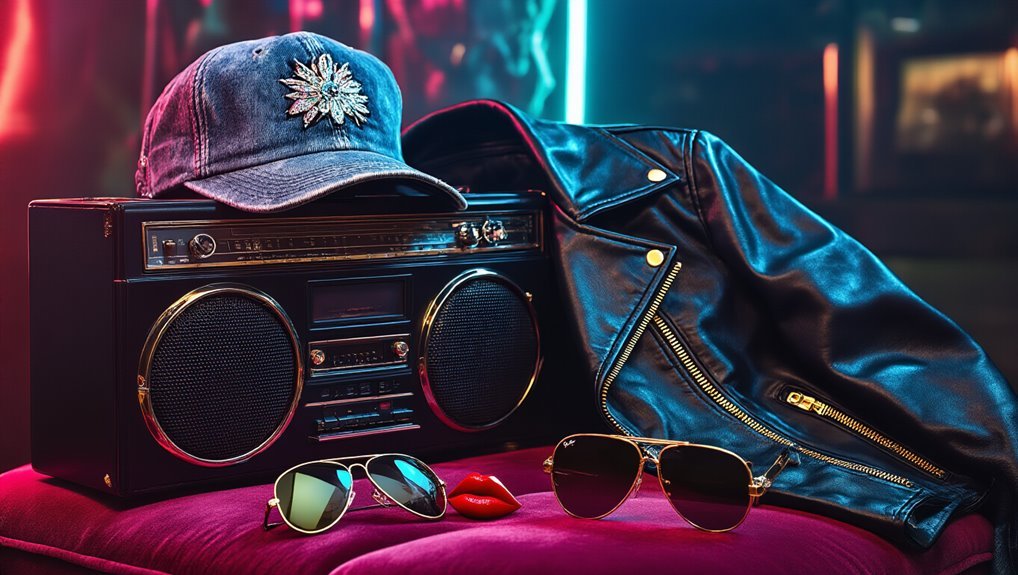
When A$AP Rocky stepped into the studio in 2012, he wasn’t just crafting another track—he was creating what would become hip-hop’s most opulent ode to love and fashion.

“Fashion Killa” emerged during a transformative period in both Rocky’s career and the genre itself, as luxury brands that once dismissed hip-hop were beginning to embrace its cultural influence.
The song’s romantic expression revolutionized hip-hop aesthetics by merging high-end fashion influence with intimate lyrical themes.
Rocky’s visual storytelling painted luxury imagery through designer name-drops, transforming a traditional love song into a celebration of style evolution.
This iconic collaboration between romance and runway established new cultural significance within the genre.
The track’s impact extended beyond music, influencing how artists approached romantic narratives.
Breaking Down the Hypnotic Production and Beat Structure
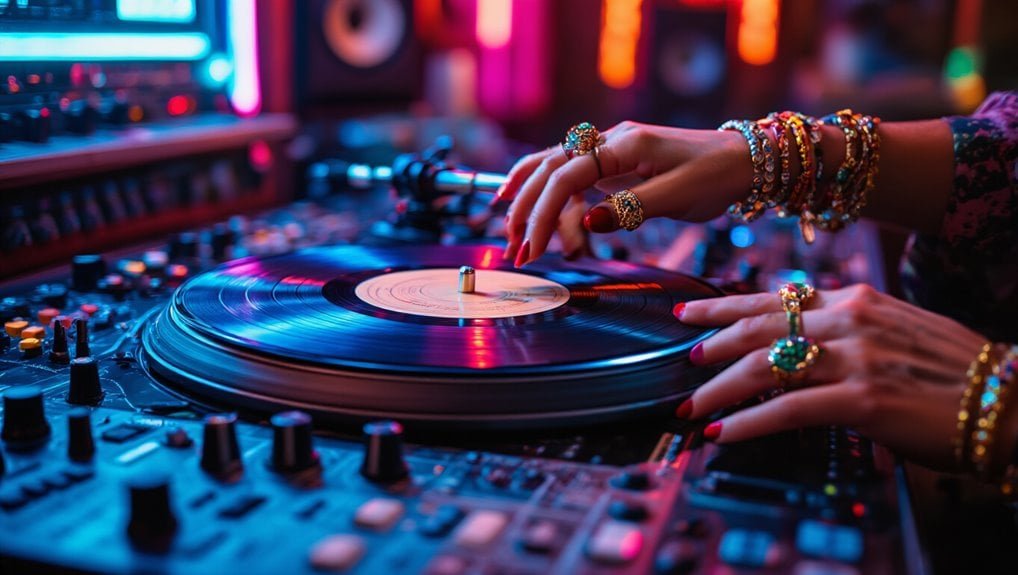
The track’s foundation rests on a minimalist yet intricate arrangement where Hector Delgado’s production weaves together ethereal synthesizers, muted 808 drums, and a distinctive hi-hat pattern that creates the song’s signature hypnotic pulse.
The beat’s construction follows an unconventional 16-bar loop structure, with percussion elements entering and exiting at precise intervals to maintain momentum while never overwhelming Rocky’s melodic delivery.
This sparse yet calculated approach transforms what could’ve been a standard trap beat into a sophisticated sonic landscape that mirrors the haute couture references throughout the lyrics.
Layered Instrumental Elements
At its core, “Fashion Killa” builds its hypnotic atmosphere through carefully layered instrumental elements that work in perfect synergy. The track’s layering techniques showcase masterful instrumental fusion, where ethereal synthesizers blend with trap-influenced percussion.
Producer Hector Delgado employs sophisticated melodic interplay between the haunting bell samples and deep bass lines, creating immersive soundscapes and exploration throughout. The song’s harmonic dynamics shift subtly, demonstrating expert genre blending that merges cloud rap aesthetics with fashion-forward production.
Despite its minimalist approach, the track maintains rhythmic complexity through hi-hat patterns and snare rolls. These atmospheric textures add sonic depth without overwhelming Rocky’s vocals. The musical arrangement strategically introduces and removes elements, keeping listeners engaged while maintaining the track’s dreamlike quality.
This careful balance creates an intoxicating sonic experience that perfectly complements the luxurious fashion themes.
Rhythmic Pattern Analysis
Building upon these layered elements, “Fashion Killa” employs a deceptively simple yet mesmerizing rhythmic foundation that anchors the entire production. The track’s rhythmic motifs operate on multiple levels, creating a hypnotic groove that perfectly complements Rocky’s distinctive flow.
| Beat Element | Pattern Description |
|---|---|
| Kick Drum | Four-on-floor with syncopated variations |
| Hi-Hats | Triplet rolls punctuating verse endings |
| Snare | Off-beat placement creates tension |
| Percussion | Subtle shakers maintaining momentum |
| Bass | Follows kick pattern with octave jumps |
The production’s genius lies in how these rhythmic components interact with Rocky’s lyrical patterns. He weaves between the beat’s pockets, sometimes riding directly on top, other times deliberately lagging behind to create a laid-back feel. This interplay between vocal delivery and instrumental rhythm transforms what could’ve been a standard hip-hop beat into something far more sophisticated.



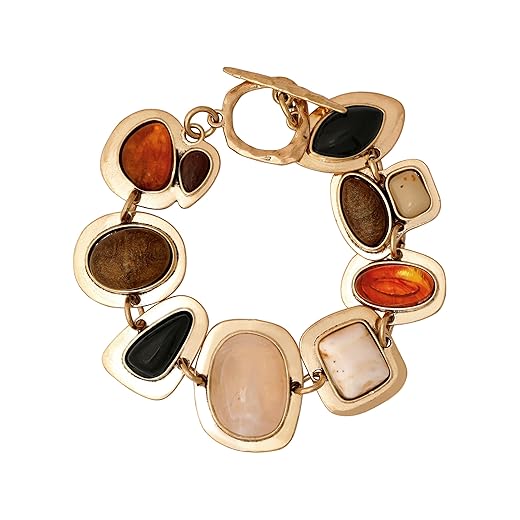
Designer Name-Drops as Love Language
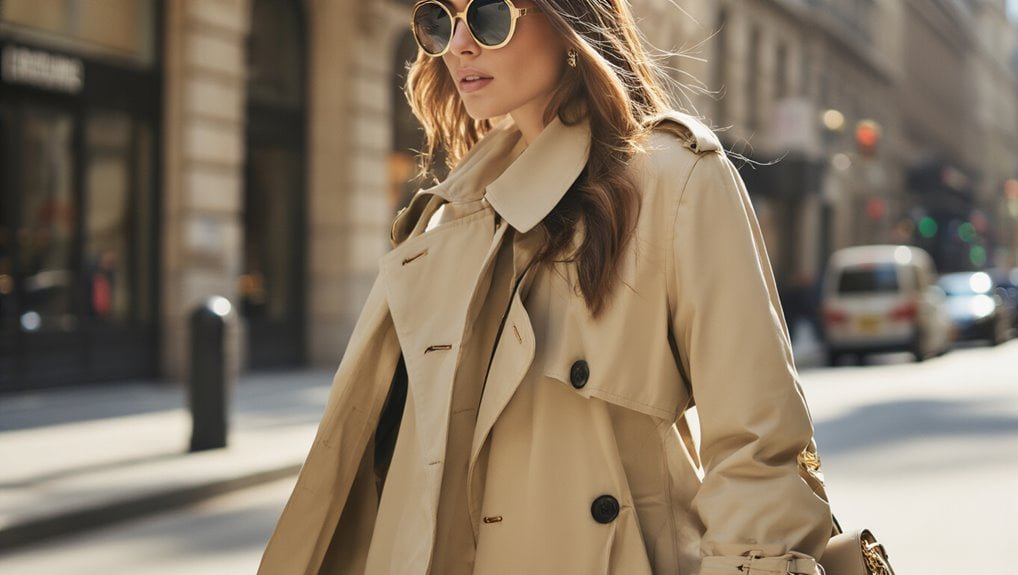
The track transforms luxury brand names into intimate expressions of romance, with each designer label serving as a declaration of commitment.
A$AP Rocky doesn’t just admire his partner’s style—he catalogs her wardrobe with the precision of someone memorizing a lover’s favorite things.
The repeated mentions of Prada, Dolce, and Balmain function less as materialistic flexing and more as proof he’s paying attention to every detail that makes her who she is.
Brands Show Affection
When A$AP Rocky rattles off “Hermès, Versace, Balenciaga” in rapid succession, he’s not just flexing his fashion knowledge—he’s speaking a coded language of luxury that transforms brand names into terms of endearment. His brand loyalty becomes poetic currency, turning designer partnerships into romantic metaphors.
| Brand Type | Cultural Symbolism | Consumer Engagement |
|---|---|---|
| Heritage Houses | Status & tradition | Exclusive clientele |
| Streetwear | Youth rebellion | Mass appeal |
| Avant-garde | Artistic vision | Niche collectors |
This aesthetic expression reflects how style icons leverage trendsetting influence through fashion collaborations. Rocky’s luxury marketing genius lies in making fashion statements that resonate beyond commerce—he’s transformed name-dropping into an art form where brands aren’t just labels, they’re love letters written in thread and leather.
Labels Prove Devotion
As designer names tumble from his lips like intimate confessions, Rocky transforms fashion literacy into a romantic dialect where “Prada, Dolce & Gabbana” carry the weight of whispered sweet nothings.
He’s built his fashion identity through calculated brand loyalty, turning each label into cultural commentary that transcends mere materialism.
His designer fandom operates as visual storytelling—each mentioned house contributes to a broader fashion narrative about taste, status, and aesthetic expression.
The luxury representation isn’t just flexing; it’s style symbolism that communicates fluency in high fashion’s exclusive language.
Rocky’s trend influence stems from this authentic devotion to craftsmanship and heritage.
He doesn’t just wear brands; he curates them into a cohesive worldview where fashion becomes philosophy, turning designer appreciation into an art form that resonates beyond traditional hip-hop’s material obsessions.
A$AP Rocky’s Fashion Evolution Leading to the Track
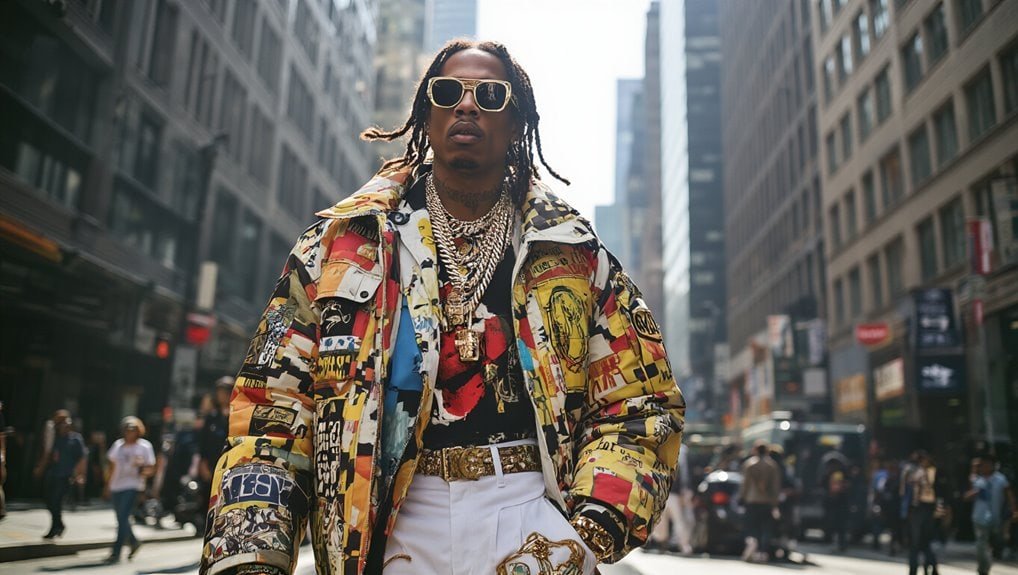
Before “Fashion Killa” dropped in 2013, A$AP Rocky had already established himself as hip-hop’s most daring style icon, transforming from a Harlem street kid into a high-fashion phenomenon. His style evolution merged streetwear integration with luxury designer collaborations, creating a unique personal aesthetic that redefined rap’s visual storytelling.
Rocky’s fashion influences included:
- Raf Simons’s avant-garde designs – Rocky’s obsession with the Belgian designer sparked authentic celebrity endorsements.
- Jeremy Scott’s bold statements – These pieces amplified his cultural significance in fashion circles.
- Rick Owens’ dark minimalism – This partnership created iconic moments that transcended music.
His willingness to experiment attracted fashion icons like Virgil Abloh and established relationships that’d later define his career.
The Music Video as a High-Fashion Editorial
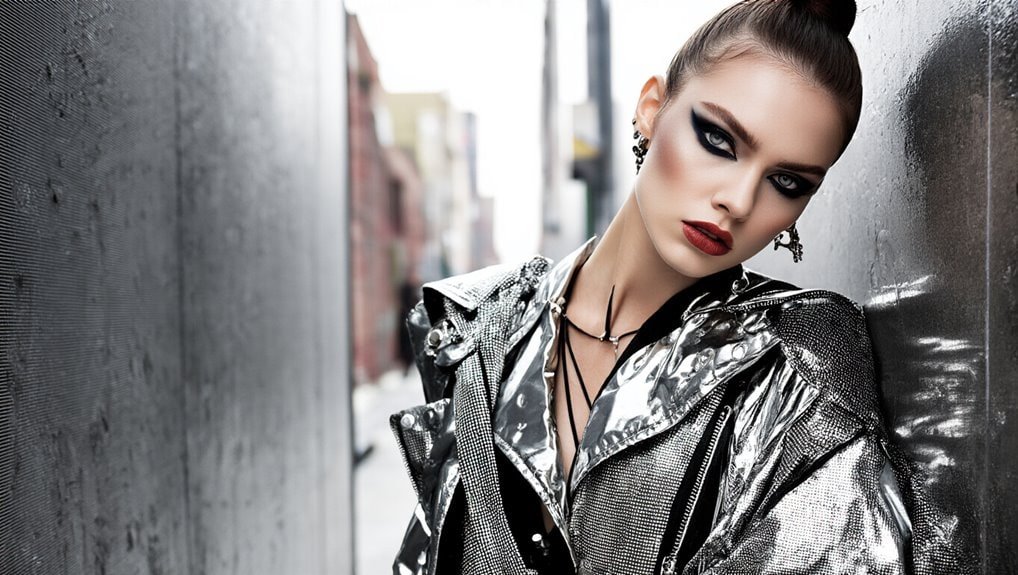
The “Fashion Killa” music video transforms into a high-fashion editorial through its showcase of haute couture pieces from Versace, Prada, and Alexander Wang.
Director Shomi Patwary employs cinematic styling techniques—dramatic lighting, slow-motion sequences, and intimate close-ups—that mirror the aesthetic of luxury fashion campaigns.
The seamless integration of designer brands throughout the video’s narrative elevates it beyond typical hip-hop visuals into a statement piece that blurs the line between music video and fashion film.
Haute Couture Showcase
When A$AP Rocky released “Fashion Killa” in 2013, the music video transformed into something beyond a typical visual accompaniment—it became a meticulously curated high-fashion editorial in motion.
The video’s deliberate showcase of haute couture trends reflected the fashion industry’s evolution toward multimedia storytelling.
Rocky’s collaboration with director Shomi Patwary created an unprecedented fusion:
- Luxury brands dominated every frame, featuring Prada, Versace, and Alexander Wang
- Models strutted through SoHo boutiques, transforming retail spaces into runways
- Designer pieces became characters, elevating clothing to narrative elements
The video didn’t just reference fashion—it participated in fashion’s digital transformation.
Cinematic Styling Techniques
Three distinct cinematic techniques transformed “Fashion Killa” from a conventional music video into a living fashion editorial. The video’s cinematic wardrobe functions as visual storytelling, where each outfit advances the narrative fashion beyond mere display.
Scene composition deliberately frames fashion aesthetics like magazine spreads, with models posed against architectural backdrops that enhance aesthetic coherence.
The costume design employs stylistic symbolism through color progression—from stark monochromes to vibrant hues—reflecting the relationship’s evolution.
Character influence shapes thematic visuals as A$AP Rocky’s outfits mirror his romantic pursuit’s intensity. Directors crafted each frame with editorial precision, ensuring clothing choices communicate subtext.
This approach elevates the video beyond traditional music visuals, creating a hybrid where fashion becomes the primary language of expression.
Designer Brand Integration
Building on these cinematic styling foundations, “Fashion Killa” showcases an unprecedented parade of luxury brands that transforms the music video into a moving high-fashion editorial. The video’s designer partnerships elevate hip-hop’s visual identity through strategic luxury collaborations that redefine fashion storytelling.
The trendsetting aesthetics manifest through:
- Seamless brand integration – Each frame naturally incorporates high-end pieces without disrupting narrative flow.
- Streetwear influence meets haute couture – Blending urban style evolution with runway sophistication.
- Authentic consumer engagement – Creating aspirational yet relatable fashion moments.
These marketing strategies transcend traditional product placement. By weaving designer pieces into the video’s DNA, A$AP Rocky cultivates brand loyalty while documenting hip-hop’s style evolution.
The result isn’t just promotion—it’s a cultural statement about fashion’s democratization through music.
Cultural Impact on Hip-Hop’s Relationship With Fashion
Hip-hop’s emergence from the streets of New York in the 1970s brought a revolutionary approach to fashion that would reshape the entire industry. The genre’s raw energy transformed streetwear evolution from underground movement to global phenomenon, with artists using clothing as cultural symbolism and identity expression.
Run-DMC’s Adidas deal pioneered artist collaborations, while later icons like Jay-Z and Kanye West pushed luxury accessibility into mainstream consciousness.
Fashion statements became visual storytelling tools, communicating success narratives and neighborhood pride through designer pieces. This genre blending of high-end and street aesthetics created new style influences that luxury houses couldn’t ignore.
Hip-hop’s impact on consumer culture forced brands to recognize urban markets’ purchasing power, leading to dedicated streetwear divisions and exclusive partnerships.
Today’s fashion landscape reflects this transformation, where rappers sit front row at Paris Fashion Week and design collections that sell out instantly.
Collaborations and Creative Forces Behind the Song
When A$AP Rocky linked up with producer Hector Delgado in 2013, they crafted “Fashion Killa” as a celebration of high-end style and romantic chemistry. The track’s collaborative synergy emerged through Delgado’s minimalist production approach, featuring hypnotic synthesizers and trap-influenced drums that perfectly complemented Rocky’s fashion-forward lyrics.
The creative vision behind “Fashion Killa” involved multiple talents:
- Hector Delgado – Built the song’s atmospheric soundscape with sultry beats
- A$AP Rocky – Penned verses name-dropping luxury brands like Prada, Dolce & Gabbana, and Alexander Wang
- Rihanna – Added star power through her featured appearance in the music video
The song’s production showcased Rocky’s ability to merge street culture with haute couture references. Delgado’s beats provided the perfect canvas for Rocky’s brand-heavy bars, creating an anthem that resonated with fashion enthusiasts and hip-hop fans alike.
This partnership demonstrated how producers and artists can unite their expertise to create culturally significant music that transcends traditional genre boundaries.
How “Fashion Killa” Redefined Rap Romance
Unlike traditional rap love songs that often objectified women or focused solely on sexual conquest, “Fashion Killa” transformed hip-hop romance into a sophisticated celebration of mutual style appreciation.
A$AP Rocky’s lyrics elevated his partner to equal status, recognizing her designer choices and fashion symbolism as extensions of her personality and power. The track didn’t just mention brands—it wove them into love aesthetics that portrayed relationships as partnerships between equally stylish individuals.
This approach revolutionized rap’s romantic narrative. Instead of one-dimensional portrayals, Rocky created a multifaceted love interest who’s as versed in high fashion as he is.
The song’s impact extended beyond music, influencing how hip-hop artists approached relationship dynamics in their work. By centering fashion as a shared language of attraction and respect, “Fashion Killa” established a new template where appreciation for style became synonymous with a deeper emotional connection, forever changing hip-hop’s romantic landscape.
The Track’s Influence on Contemporary Hip-Hop Artists
Since “Fashion Killa” dropped in 2013, contemporary hip-hop artists have increasingly adopted Rocky’s blueprint of weaving designer references into their romantic narratives. The track’s impact resonates through today’s hip hop aesthetics, where luxury brands aren’t just status symbols but emotional touchpoints in storytelling.
Artists like Travis Scott, Lil Uzi Vert, and Gunna’ve embraced fashion symbolism as a love language, crafting verses where:
- Designer gifts replace traditional romantic gestures
- Matching outfits symbolize relationship compatibility
- Fashion week appearances become modern date nights
This shift has transformed how rappers express vulnerability. They’re no longer confined to street narratives or explicit content when discussing relationships. Instead, they’ve found sophistication through sartorial references, making romance aspirational rather than purely physical.
The influence extends beyond lyrics—music videos now feature high-fashion cinematography and runway-inspired visuals. Rocky’s innovative approach created a template where material culture enhances emotional depth, proving that fashion and feelings aren’t mutually exclusive in hip-hop’s evolving landscape.
Legacy in the Fashion Industry and Runway Shows
Beyond the recording studio, “Fashion Killa” cemented A$AP Rocky’s position as hip-hop’s premier fashion ambassador, transforming him from rapper to runway regular. The track’s fashion influence sparked an unprecedented runway evolution, with luxury brands recognizing hip-hop’s cultural significance in fashion storytelling.
| Year | Designer Collaborations | Industry Milestones |
|---|---|---|
| 2013 | Raf Simons, Rick Owens | First rap-fashion crossover anthem |
| 2015 | Dior Homme campaign | Hip-hop meets haute couture |
| 2016 | Guess partnership | Streetwear enters luxury space |
Rocky’s trendsetting moments redefined how fashion icons emerge from music, creating bold style statements that transcended traditional boundaries. His legacy impact extends beyond personal achievements—he’s opened doors for artists to authentically engage with high fashion without compromising their artistic identity. The song’s lasting influence continues to shape how the fashion industry approaches hip-hop culture, establishing new paradigms for creative expression across both industries.
Frequently Asked Questions
What Was the Song’s Chart Performance and Commercial Success?
The song’s chart sales remained modest despite its cultural influence. It didn’t achieve significant commercial impact on mainstream charts, peaking at number 135 on the Billboard Hot 100.
“Fashion Killa” by A$AP Rocky featuring Rihanna generated more buzz through its high-fashion music video and celebrity collaboration than through traditional chart performance. The track’s commercial success was limited compared to both artists’ other singles, though it’s maintained cult status among fans.
How Much Did the Music Video Cost to Produce?
Music video production budgets vary widely across the industry, with video expenses ranging from thousands to millions of dollars.
The cost depends on factors like location, special effects, crew size, and artist involvement.
For “Fashion Killa,” specific production budget details aren’t publicly available.
Record labels typically don’t disclose exact video expenses, keeping financial information confidential.
Without official statements, the music video’s actual cost remains unknown to the public.
What Was Rihanna’s Reaction to Being Featured on the Track?
Rihanna’s excitement showed through her enthusiastic response to the collaboration.
She’d expressed genuine appreciation for the tribute, feeling a personal connection to the song’s fashion-forward concept. The superstar hadn’t expected the shoutout but embraced it warmly, later acknowledging how the track celebrated her style influence.
Her reaction reflected pride in being recognized as a fashion icon, and she’d publicly supported the song through social media posts and interactions.
Did the Song Receive Any Major Award Nominations?
Songs typically receive award nominations based on their commercial success and critical acclaim. The recognition impact of major award ceremonies like the Grammys can significantly boost an artist’s career trajectory.
However, “Fashion Killa” by A$AP Rocky didn’t receive any major award nominations despite its popularity. The track’s cultural influence and Rihanna feature weren’t enough to secure Grammy or BET Award recognition during that year’s eligibility period.
What Are the Official Remix Versions of “Fashion Killa”?
Various remix variations of popular songs often feature exciting artist collaborations that bring fresh perspectives to original tracks.
Producers and DJs frequently create multiple versions, incorporating different genres and styles. These remixes typically showcase guest artists who add their unique flavor.
However, “Fashion Killa” by A$AP Rocky didn’t receive any widely recognized official remixes.
The song remained primarily in its original form without notable remix collaborations or alternative versions released commercially.
Conclusion
A$AP Rocky’s “Fashion Killa” didn’t just merge hip-hop with haute couture—it revolutionized how rappers express romance through luxury. The track’s hypnotic production and designer-laden lyrics created a blueprint that’s still copied today. From runways to radio, its influence remains undeniable. Rocky proved that fashion and love aren’t separate entities but intertwined expressions of desire, setting a new standard for hip-hop’s relationship with high fashion that continues shaping both industries.
 Amazon.com
 Amazon.com
 Amazon.com
 Amazon.com
 Amazon.com





A Timeline of A$AP Rocky & Rihanna’s Relationship Billboard...
Jim Jones Mentions Ye's Odd Allegations In New Visuals For 'Fashion Killa' iHeart...
A$AP Rocky on Rihanna, Virgil Abloh, and Blurring the Gender Lines With Fashion Vogue...