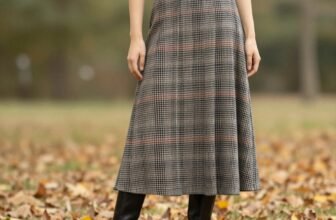
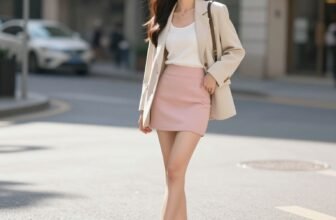
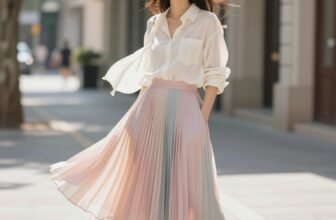
Fashion’s diverse styles range from classic and timeless elegance to bold streetwear expressions. People embrace minimalist aesthetics with clean lines, bohemian looks featuring flowing fabrics, or romantic feminine pieces with soft pastels and lace. Preppy polished outfits draw from Ivy League traditions, while vintage-inspired clothing celebrates past decades. Athleisure blends comfort with style, and avant-garde fashion pushes creative boundaries. Each style offers unique ways to express personality and cultural identity through clothing choices.
Key Takeaways
- Classic style emphasizes tailored blazers, neutral colors, and timeless pieces suitable for various occasions with clean lines.
- Bohemian fashion features flowing fabrics, eclectic patterns, natural fibers, and artistic accessories for free-spirited personal expression.
- Minimalist aesthetic focuses on clean lines, neutral palettes, quality basics, and intentional simplicity in wardrobe choices.
- Streetwear originated from urban culture, transforming graphic tees, hoodies, and sneakers into cultural fashion statements.
- Romantic style embraces soft pastels, floral prints, lace details, and flowing fabrics for feminine, ethereal looks.
Classic and Timeless Style
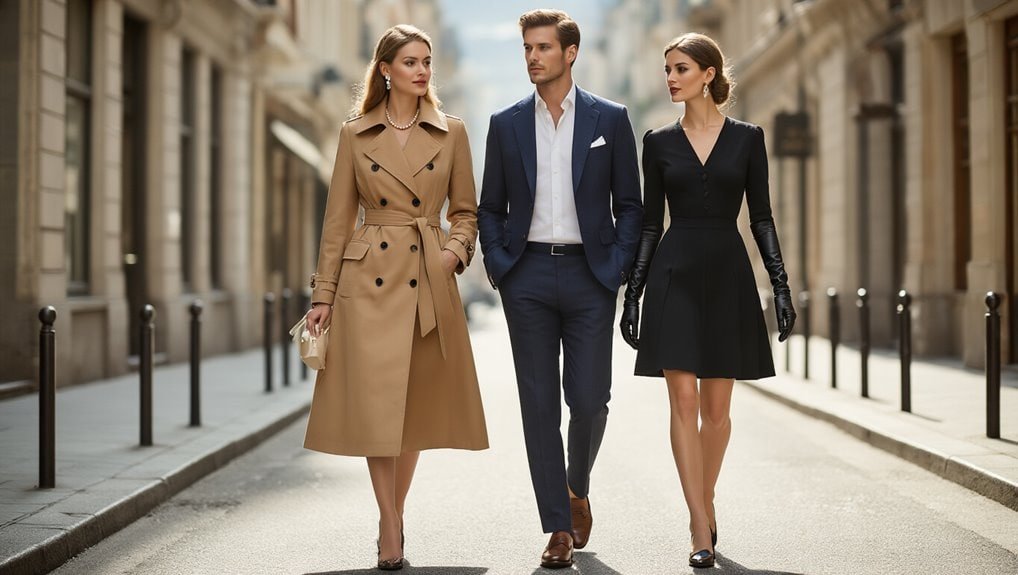
When someone walks into a room wearing a perfectly tailored blazer, crisp white shirt, and well-fitted trousers, they’re showcasing classic and timeless style. This fashion approach prioritizes quality over quantity, focusing on pieces that transcend seasonal trends.
Classic silhouettes form the foundation of this wardrobe philosophy, featuring clean lines and balanced proportions that flatter various body types.
Timeless elegance isn’t about following every fashion wave—it’s about curating a collection of versatile staples. A person embracing this style invests in neutral colors like navy, black, beige, and white. They’ll choose a wool coat over a trendy jacket, leather loafers over platform sneakers, and a silk scarf over costume jewelry.
The beauty of classic fashion lies in its longevity. These pieces work seamlessly together, creating effortless outfits for any occasion.

Whether it’s a business meeting or weekend brunch, classic dressers always appear polished and sophisticated without seeming overdressed.
Bohemian and Free-Spirited Fashion
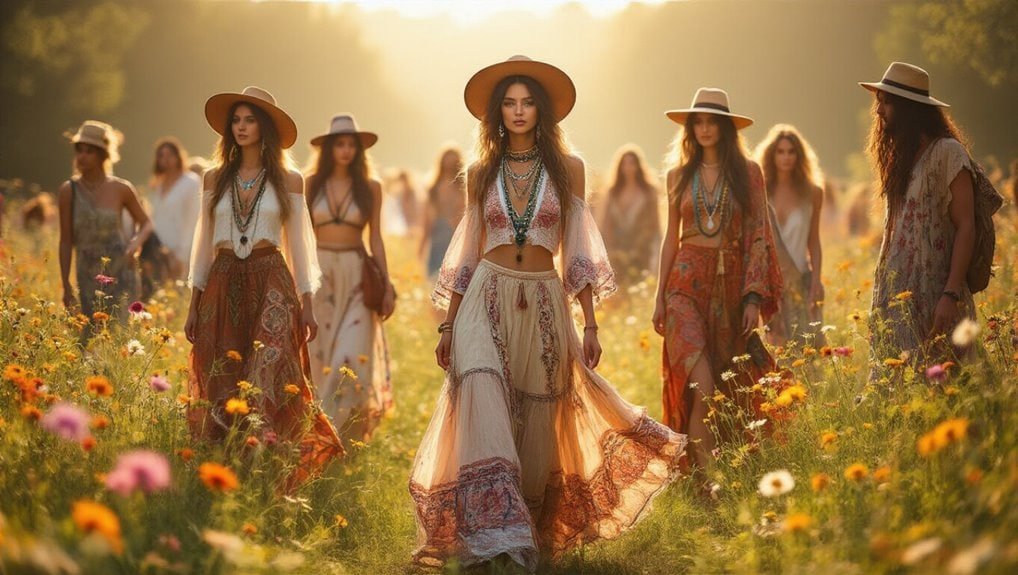
The bohemian fashion movement celebrates artistic expression through flowing fabrics, eclectic patterns, and unconventional combinations. This style embraces creativity and individuality, drawing inspiration from various cultures, vintage pieces, and natural elements. Boho fashion rejects rigid structure in favor of comfort and personal freedom.
Free-spirited layers define this aesthetic through maxi dresses, kimono-style jackets, and oversized cardigans worn together. These pieces create depth and visual interest while allowing movement and flexibility. Natural fibers like cotton, linen, and hemp dominate bohemian wardrobes, often featuring embroidery, fringe, or tie-dye details.
Bohemian accessories complete the look with statement jewelry, woven bags, and wide-brimmed hats. Layered necklaces, stacked rings, and beaded bracelets add personality without overwhelming the outfit. Leather sandals, ankle boots, or barefoot styling grounds the aesthetic in earthy sensibility.
This fashion philosophy appeals to those who value self-expression over conformity and prefer clothing that tells their unique story.
Minimalist and Modern Aesthetic
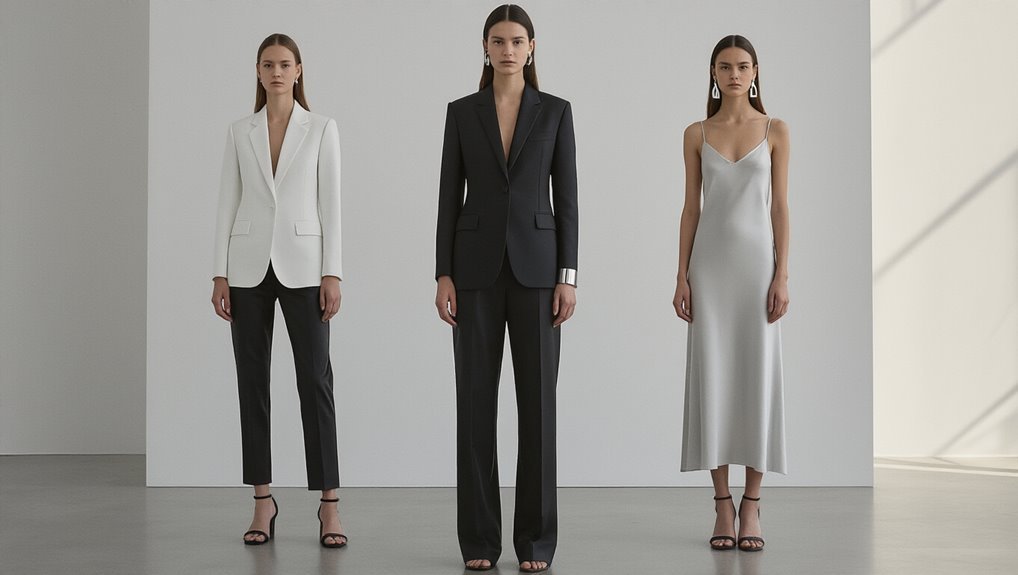
Minimalist fashion strips away excess to reveal clothing’s fundamental beauty through clean lines and precise tailoring.
This aesthetic relies on neutral color palettes—blacks, whites, grays, and beiges—that create versatile wardrobes where each piece serves multiple purposes.
Modern minimalists choose quality over quantity, investing in timeless garments that won’t date quickly or clutter their closets.
Clean Lines Essential
While fashion trends constantly evolve and change, clean lines remain a cornerstone of sophisticated style that transcends seasonal fads. These streamlined designs emphasize simplicity and precision, creating garments that feel timeless rather than trendy.
Tailored silhouettes showcase the beauty of well-constructed clothing, where every seam and dart serves a purpose. They’re not about excess or embellishment but rather the art of subtraction.
Clean lines manifest in sharp blazers, straight-leg trousers, and shift dresses that skim the body without clinging. These pieces become wardrobe foundations, easily mixed and matched for various occasions.
The minimalist approach doesn’t mean boring—it’s about intentional design choices that highlight quality fabrics and impeccable fit. Such clothing empowers the wearer, letting their personality shine without distraction.
Neutral Color Palettes
When designers strip away excess decoration, neutral color palettes become the natural companion to clean lines in minimalist fashion. They’ve discovered that beiges, whites, blacks, and grays create outfit versatility while maintaining sophistication.
Color psychology suggests these shades convey professionalism and calm, making them ideal for various occasions.
Fashion experts recommend building a capsule wardrobe around these tones, incorporating different fabric choices and texture combinations to add visual interest. They’ll pair smooth silk with chunky knits or crisp cotton with soft cashmere.
Layering techniques become essential for seasonal variations, while neutral accessories enhance rather than overwhelm.
Smart dressers understand that occasion appropriateness doesn’t mean boring. They’ll introduce subtle statement pieces through interesting cuts or unexpected textures, proving minimalism isn’t about limitation but intentional selection.
Streetwear and Urban Culture
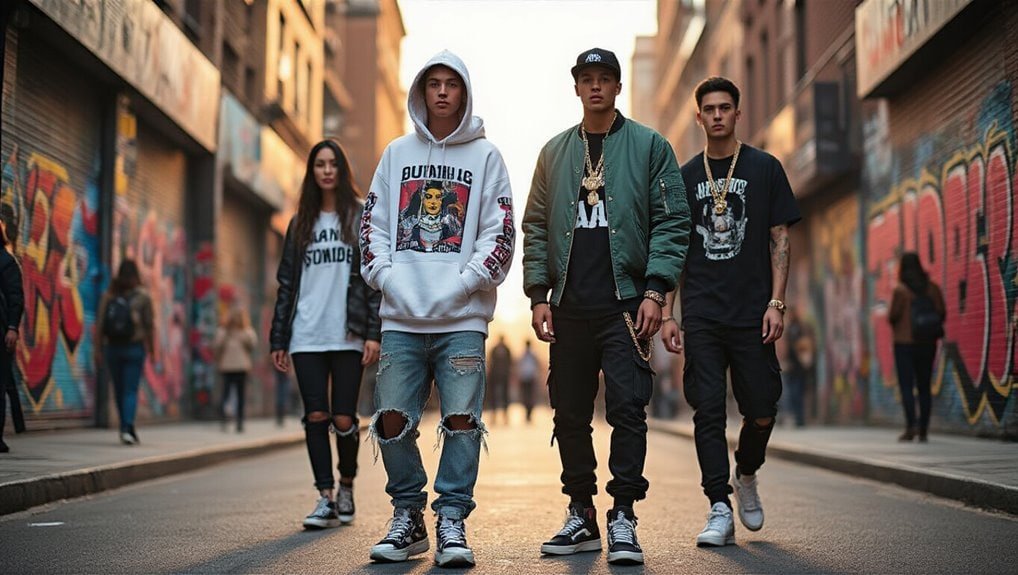
Born from the basketball courts and hip-hop scenes of 1980s New York, streetwear has evolved into one of fashion’s most influential movements. This urban aesthetics phenomenon transforms graphic tees, hoodies, and sneakers into powerful forms of cultural expression and identity representation.
Streetwear influences extend beyond clothing—it’s shaped global fashion collaborations between luxury houses and street brands. Supreme’s partnerships with Louis Vuitton and Nike’s Jordan line exemplify this style evolution.
Sneaker culture drives the movement, with limited releases creating intense community engagement and billion-dollar resale markets.
Social media impact accelerates streetwear’s reach. Instagram and TikTok amplify drops, showcase fits, and connect global communities. Brands leverage these platforms to build hype and foster direct consumer relationships.
Today’s streetwear transcends its origins, influencing runway collections and redefining luxury. It remains rooted in authenticity, self-expression, and the democratic principle that anyone can participate in fashion’s ongoing conversation.
Romantic and Feminine Looks
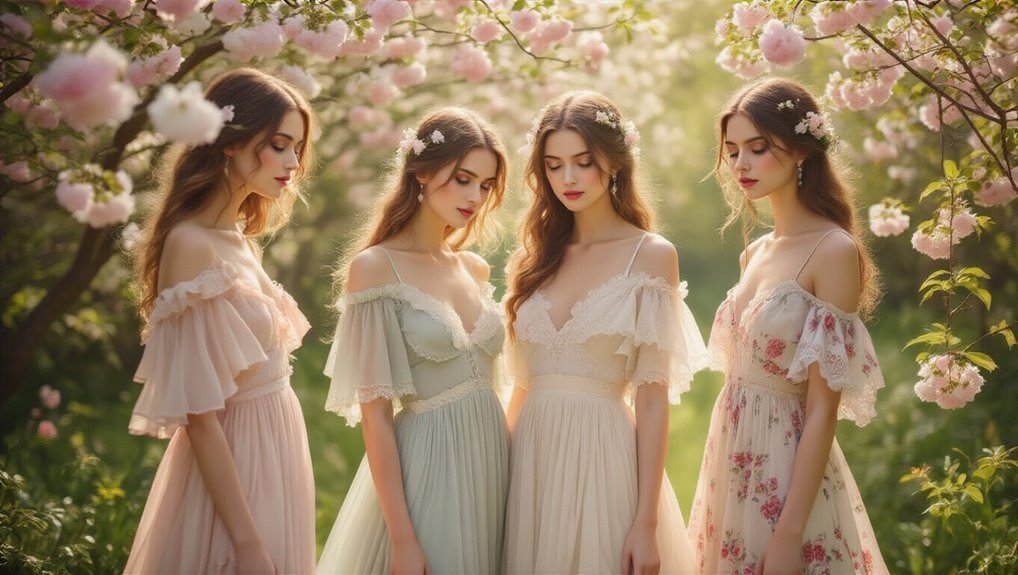
As fashion cycles through bold statements and minimalist phases, romantic and feminine looks persist as timeless expressions of grace and delicacy. This style embraces soft pastels, floral prints, and flowing fabrics that create an ethereal aesthetic. Designers craft romantic silhouettes that celebrate femininity through thoughtful details and whimsical touches.
Key elements define this enchanting style:
- Lace details on sleeves, necklines, and hemlines add vintage charm
- Floral prints ranging from tiny buds to oversized blooms create visual poetry
- Flowing fabrics like chiffon and silk enhance movement and grace
- Delicate jewelry featuring pearls, crystals, and dainty chains completes each look
Modern interpretations blend classic romanticism with contemporary edge. Vintage accessories like cameo brooches, ribbon ties, and embroidered handkerchiefs elevate simple outfits.
Whether it’s a prairie dress for brunch or a tulle skirt for evening events, romantic fashion lets wearers express their softer side while maintaining sophistication and style.
Edgy and Alternative Fashion
Alternative fashion rebels against mainstream trends through bold self-expression and unconventional aesthetics.
Punk rock elements include ripped clothing, safety pins, leather jackets, and band patches that create an anti-establishment look.
Gothic style basics feature black clothing, dramatic makeup, silver accessories, and Victorian-inspired pieces that embrace darkness and mystery.
Punk Rock Elements
When did safety pins, ripped denim, and leather jackets become symbols of rebellion? Punk rock fashion emerged in the 1970s as youth expressed their rebellious attitude through DIY punk aesthetics. This underground scene’s style revolutionized fashion with its raw, anti-establishment approach.
Essential punk elements include:
- Clothing: Band tees, plaid patterns, and distressed denim with vintage patches
- Accessories: Safety pins, studded accessories, and leather accents like jackets and belts
- Footwear: Combat boots paired with ripped tights or fishnet stockings
- Hair and Art: Mohawk hairstyles, bold colors, and graffiti art influences
Today’s punk fashion continues inspiring designers who incorporate these edgy elements into mainstream collections.
The style’s enduring appeal lies in its authentic self-expression and refusal to conform to traditional fashion rules.
Gothic Style Basics
Dark romance meets Victorian elegance in gothic fashion, creating a distinctive aesthetic that’s captivated alternative fashion enthusiasts for decades. This alternative subculture embraces dark colors, dramatic silhouettes, and mystical elements that transform everyday wardrobes into theatrical statements.
| Gothic Essential | Key Features |
|---|---|
| Clothing | Black velvet, vintage lace, layered outfits |
| Accessories | Silver chains, occult symbols, gothic accessories |
| Footwear | Platform boots, buckled shoes, edgy footwear |
| Makeup | Pale foundation, dark lips, statement makeup |
| Influences | Victorian influences, medieval architecture |
Gothic style isn’t just about wearing black—it’s expressing individuality through carefully curated pieces. Corsets cinch waists while flowing skirts create movement. Chokers, crosses, and cameos serve as signature touches. Whether they’re channeling romantic Victorian influences or embracing punk-inspired elements, gothic fashion devotees craft looks that’re both haunting and beautiful.
Preppy and Polished Style
Since its origins in Ivy League universities and East Coast preparatory schools, the preppy and polished style has evolved into a timeless fashion aesthetic that combines classic American sportswear with refined elegance.
This style’s enduring appeal lies in its versatility and attention to detail.
Key elements that define preppy and polished fashion include:
- Crisp button-down shirts in Oxford cloth or pinpoint cotton
- Cable-knit sweaters and cardigans in neutral or pastel hues
- Tailored blazers paired with chinos or pleated skirts
- Classic patterns like argyle, plaid, and stripes
Preppy accessories elevate any outfit—think pearl necklaces, silk scarves, leather belts, and structured handbags.
Polished footwear remains essential, with penny loafers, boat shoes, and leather oxfords serving as staples.
The style emphasizes quality over quantity, featuring natural fabrics and impeccable tailoring.
Today’s preppy aesthetic has modernized while maintaining its sophisticated roots, appealing to those who appreciate understated luxury and timeless elegance.
Vintage and Retro-Inspired Outfits
While preppy style celebrates timeless American elegance, vintage and retro-inspired outfits draw from specific decades to create distinctive looks that feel both nostalgic and fresh.
Fashion enthusiasts embrace thrift shopping to discover authentic pieces that capture nostalgic vibes from bygone eras. They’ll pair retro prints with modern basics, creating era inspired ensembles that don’t look costume-like. A ’70s floral blouse works perfectly with contemporary denim, while ’50s circle skirts complement today’s crop tops.
Classic silhouettes from the ’40s through ’80s get updated through styling and fit adjustments. Vintage accessories complete these looks—antique jewelry adds authenticity while retro footwear like platform shoes or oxford heels grounds outfits in specific decades.
Timeless fabrics like wool, silk, and cotton maintain their appeal across generations. Vintage hairstyles, from victory rolls to feathered bangs, enhance the overall aesthetic. This style celebrates fashion history while making it relevant for contemporary wardrobes.
Sporty and Athleisure Trends
The athletic wear revolution has transformed how people dress for both workouts and casual outings.
Today’s consumers blend performance pieces like moisture-wicking leggings, supportive sports bras, and technical sneakers with everyday wardrobe staples to create versatile looks.
Major brands like Lululemon, Nike, and Athleta have mastered this crossover appeal, offering collections that shift seamlessly from gym to street.
Key Athletic Wear Pieces
Athletic wear has transformed from gym-only clothing into everyday fashion staples that dominate modern wardrobes.
Today’s key pieces seamlessly blend style with function, making them perfect for an active lifestyle.
Essential athletic wear includes:
- Leggings – High-waisted designs in performance fabrics offer compression and flexibility.
- Sports bras – Supportive styles that double as crop tops for layering.
- Joggers – Tapered pants that adapt from workouts to casual outings.
- Hoodies – Oversized silhouettes with moisture-wicking properties.
These versatile pieces feature innovative performance fabrics that regulate temperature, wick moisture, and provide stretch.
They’re designed to move with the body while maintaining shape throughout the day.
From yoga studios to coffee shops, athletic wear has become the foundation of comfortable, practical fashion that suits today’s dynamic lifestyles.
Styling Tips Everyday Looks
When pairing athletic pieces with everyday clothing, fashion-forward individuals create effortlessly chic looks that shift from morning runs to afternoon meetings. They’ll combine performance leggings with oversized blazers or layer sports bras under sheer button-downs for contemporary appeal.
Casual layering becomes essential—throwing a denim jacket over yoga wear or adding a structured coat to joggers instantly elevates the outfit.
Versatile accessories complete these hybrid ensembles. Crossbody bags replace gym duffels, while minimalist jewelry adds polish to athletic basics. Sneakers evolve from purely functional to fashion statements when paired with midi skirts or tailored trousers.
The key lies in balancing proportions and textures—mixing technical fabrics with natural materials creates visual interest while maintaining comfort throughout the day.
Top Athleisure Brands
Leading athleisure brands have mastered the art of blending performance technology with street-ready aesthetics, making these styling combinations possible.
Today’s athleisure trends showcase how top brands revolutionize activewear beyond the gym.
The industry’s most influential names include:
- Lululemon – They’ve pioneered technical fabrics that shift seamlessly from yoga studios to coffee shops.
- Nike – Their innovative designs merge athletic performance with contemporary street style.
- Adidas – They’re collaborating with high-fashion designers to elevate sportswear.
- Outdoor Voices – They’ve championed the “doing things” movement with minimalist, versatile pieces.
These brands understand that modern consumers don’t separate fitness from daily life.
They’re creating collections that perform during workouts while maintaining sophisticated appeal for everyday wear.
Each brand brings unique perspectives to athleisure trends, whether through sustainable materials, inclusive sizing, or fashion-forward colorways.
Avant-Garde and Experimental Fashion
Fashion’s rebels and visionaries push boundaries through avant-garde and experimental design, creating pieces that challenge conventional notions of what clothing should be.
These designers transform runways into laboratories where avant-garde silhouettes defy traditional body proportions and construction methods. They’ll sculpt garments that resemble architectural structures, manipulate fabric into impossible shapes, and blur the line between fashion and art.
Experimental textiles drive innovation forward as designers work with unconventional materials like recycled plastics, living organisms, and 3D-printed components.
They’re developing fabrics that change color with temperature, self-repair when damaged, and respond to environmental stimuli. Fashion houses like Comme des Garçons, Iris van Herpen, and Rick Owens lead this movement, inspiring emerging designers to question everything.
While these creations rarely translate directly to streetwear, they influence mainstream fashion by introducing new techniques, materials, and concepts that eventually filter down to ready-to-wear collections.
Frequently Asked Questions
How Do I Transition Between Different Fashion Styles Without Looking Inconsistent?
One can achieve seamless style evolution by adopting gradual changes rather than drastic overhauls.
They’ll find success mixing signature pieces with new elements, creating cohesive looks through smart layering techniques.
She’s wise to incorporate neutral basics that bridge different aesthetics.
They shouldn’t rush the process—introducing one new style element at a time helps maintain consistency.
He’ll discover that confidence and intentional choices matter more than rigid adherence to one particular fashion category.
What’s the Best Way to Mix Two Contrasting Fashion Styles Together?
To achieve successful fashion fusion, one shouldn’t simply throw contrasting pieces together.
They’ll want to identify common elements between styles first – perhaps shared colors, textures, or silhouettes.
The key’s finding style balance through proportions: if someone pairs an edgy leather jacket with a feminine dress, they’d keep accessories minimal.
They can also use neutral basics as bridges between bold, contrasting pieces, creating cohesive looks that don’t overwhelm.
How Much Should I Budget for Building a New Style Wardrobe?
When someone’s building a new wardrobe, they’ll typically need $500-$2000, depending on their goals.
Smart budgeting tips include starting with versatile wardrobe essentials like quality jeans, basic tees, and a classic blazer. They should allocate 70% to foundational pieces and 30% to statement items.
Shopping during sales, thrifting, and building gradually over 3-6 months helps stretch the budget. They shouldn’t forget to factor in tailoring costs for perfect fits.
How Do I Find My Personal Style When I Like Multiple Aesthetics?
When someone’s drawn to multiple aesthetics, they’ll discover their personal style by identifying common threads across their favorite looks.
They should create a unified color palette that works with different aesthetics and collect outfit inspiration from various sources.
They can mix elements from different styles – perhaps combining minimalist basics with bohemian accessories or pairing streetwear with vintage pieces.
It’s about finding what feels authentic while creating cohesive looks.
Which Fashion Styles Are Most Appropriate for Different Workplace Environments?
The workplace environment dictates what’s appropriate to wear.
She’ll find tech startup offices embrace casual clothing and creative expression, while law firms demand formal attire.
He’s noticed business casual works well in most corporate settings.
They’ve observed that creative office spaces welcome artistic fashion choices.
Remote work offers maximum flexibility since colleagues see limited outfits.
Retail environment dress codes vary by brand, from trendy boutiques to conservative department stores.
Conclusion
Fashion’s diverse styles offer endless opportunities for self-expression. Whether someone’s drawn to classic elegance, bohemian freedom, or cutting-edge avant-garde, there’s a style that resonates with every personality. Today’s fashion landscape celebrates individuality, allowing people to mix elements from different aesthetics to create their unique look. Understanding these various styles helps anyone develop their personal wardrobe and confidently express who they are through what they wear.