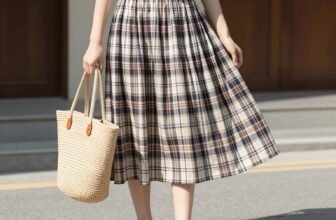
Suede totes are replacing leather bags because they’re 30-40% cheaper while delivering the same luxury look through their soft, velvety texture. They weigh under one pound compared to leather’s 2-3 pounds, letting professionals carry 30% more items comfortably without shoulder strain. Suede won’t scratch desk surfaces, conforms to tight spaces during travel, and requires just five minutes of weekly maintenance. The material’s flexibility enables intricate designs that leather can’t achieve at accessible prices.
Key Takeaways
- Suede totes cost 30-40% less than comparable leather bags while maintaining a luxury appearance through soft texture and matte finish
- Weighing under 1 pound versus leather’s 2-3 pounds, suede totes enable carrying 30% more items without shoulder strain
- Modern suede surfaces resist stains better and require only a five-minute weekly maintenance routine compared to leather’s demanding care
- Suede’s flexibility allows intricate architectural designs, pleating, and embellishments that rigid leather cannot achieve at accessible prices
- Soft suede won’t scratch desk surfaces or leave marks on furniture, making them more practical for office and travel environments
Why Suede Totes Cost Less Than Leather but Look More Expensive
While leather bags have traditionally dominated the luxury handbag market, suede totes offer a surprising value proposition that’s reshaping consumer preferences.
They’re typically 30-40% less expensive than comparable leather bags due to lower raw material costs and simpler manufacturing processes.
Suede comes from the inner split of animal hide, which yields more usable material per skin than top-grain leather production.
Despite their lower price point, suede totes create a luxury illusion through their distinctive characteristics.

The material’s soft, velvety texture and matte finish convey sophistication that glossy leather can’t match.
This pricing psychology works because consumers associate suede’s plush feel with high-end fashion houses that’ve featured it prominently in recent collections.
Suede’s light weight and flexibility also enable more intricate designs without increasing production costs.
Manufacturers can add architectural details, pleating, and embellishments that’d be prohibitively expensive in leather, further enhancing the bag’s perceived value while maintaining accessible pricing.
How Suede’s Lighter Weight Changes Everything You Pack
How much extra weight are people carrying just from their bags? Traditional leather totes often weigh 2-3 pounds empty, while suede alternatives typically weigh under one pound.

This difference transforms packing efficiency entirely.
The lighter base weight creates a ripple effect on what travelers and commuters can carry:
- Electronics stay protected – Extra padding isn’t needed since there’s weight allowance for proper laptop sleeves
- Daily essentials multiply – Water bottles, backup chargers, and snacks don’t push bags past comfort limits
- Shoulder strain disappears – Better weight distribution prevents the lopsided walking that heavy bags cause
Suede’s minimal weight means bags don’t dig into shoulders after long days.
Users report carrying 30% more items comfortably compared to their old leather bags.
The material’s flexibility also allows items to settle naturally, creating best weight distribution without rigid structure.
What seemed like a simple material swap actually revolutionizes how much people can realistically carry throughout their day.
When Suede Beats Leather for Work, Travel, and Weekends
Where does suede actually outperform leather in real-world scenarios?
The office environment’s where suede totes shine first.
They won’t scratch against desk edges or leave marks on conference tables like stiff leather can.
Their soft texture also means they’ll squeeze into tight overhead compartments without damaging neighboring bags.
Travel reveals another advantage.
Suede’s flexibility lets it conform to irregular packing spaces while maintaining its shape better than many leather alternatives.
The material’s natural grip prevents sliding on airport seats or car floors.
Weekend errands benefit too—suede won’t crack from repeated folding or develop permanent creases from overstuffing.
Despite maintenance myths suggesting otherwise, modern suede’s treated surfaces resist stains effectively.
Color durability has improved dramatically, with new finishing techniques preventing the fading that plagued earlier versions.
Today’s suede totes handle daily abuse while looking fresher longer than their leather counterparts, especially in lighter shades where leather typically shows wear patterns more obviously.
The 5-Minute Weekly Routine That Keeps Suede Looking New
Maintaining suede’s fresh appearance requires minimal effort when done consistently.
A proper care routine transforms what many consider high-maintenance material into an easy-to-manage accessory.
Suede totes don’t need expensive treatments or professional cleaning when owners follow simple weekly steps.
The essential maintenance process takes just five minutes:
- Brush away surface dirt – A suede brush removes dust and restores the material’s natural nap
- Target problem areas – Use a suede eraser for scuff marks and light stains
- Apply protective spray – Monthly application prevents water damage and deep staining
Quick stain removal proves most effective within 24 hours of occurrence.
Cornstarch absorbs oil-based spills, while white vinegar tackles water marks.
For stubborn spots, owners shouldn’t panic—gentle rubbing with fine-grit sandpaper often works wonders.
This routine keeps suede totes looking pristine for years.
Regular maintenance prevents permanent damage and eliminates the need for costly restoration services that leather bags often require.
Frequently Asked Questions
Can Suede Totes Get Wet in Rain Without Permanent Damage?
Suede totes aren’t naturally waterproof and can suffer permanent damage when wet, despite common rainproof myths suggesting otherwise.
Water causes staining, stiffening, and texture changes that often can’t be reversed.
While proper drying methods like air-drying away from heat and gentle brushing help minimize damage, they don’t guarantee full restoration.
Owners should apply waterproofing sprays before use and avoid rain exposure whenever possible to protect their investment.
Which Colors of Suede Hide Stains and Wear Best Over Time?
Darker suede colors like charcoal, black, navy, and chocolate brown offer superior stain resilience and color longevity compared to lighter shades.
They’ll naturally camouflage minor marks and water spots that’d be obvious on tan or beige suede.
Medium-toned grays and olive greens also perform well, hiding everyday wear while maintaining their rich appearance.
These deeper hues don’t show dirt accumulation as readily and they’re more forgiving of oil-based stains from regular handling.
Are Suede Totes Safe for People With Leather Allergies?
Suede totes aren’t automatically safe for people with leather allergies since they’re typically made from the underside of animal hides.
The tanning process creates similar allergen exposure risks as traditional leather.
However, synthetic suede options don’t contain animal proteins that trigger reactions.
Anyone with sensitivities should request hypoallergenic testing information from manufacturers or choose certified vegan alternatives.
Medical professionals recommend patch testing before extended use of any suede product.
How Do Suede and Leather Compare for Environmental Sustainability?
Suede’s environmental impact typically matches leather’s since it’s made from the same animal hides, just processed differently.
Both materials share similar production footprints and supply chains, requiring intensive water usage, chemical treatments, and livestock farming.
However, suede’s buffing process can generate more waste particles.
Eco-conscious consumers often can’t distinguish between the two materials’ sustainability levels, though some brands now offer vegetable-tanned or recycled options for both.
What’s the Typical Lifespan of a Suede Tote Versus Leather?
Leather bags typically outlast suede totes by several years in the lifespan comparison.
While quality leather bags often last 10-20 years with proper care, suede totes generally maintain their appearance for 3-7 years.
Durability metrics show leather’s superior resistance to water, stains, and daily wear.
Suede’s delicate nap wears down faster, especially at stress points like handles and corners.
However, modern protective sprays’ve improved suede’s longevity considerably.
Conclusion
Suede totes aren’t just trending—they’re transforming how people think about everyday bags. They’ve proven that luxury doesn’t require leather’s hefty price tag or weight. From boardrooms to weekend markets, suede’s versatility has won over skeptics who once worried about maintenance. As more brands embrace quality suede construction and buyers discover how simple upkeep really is, it’s clear this shift isn’t temporary. The modern tote has evolved, and suede’s leading the charge.