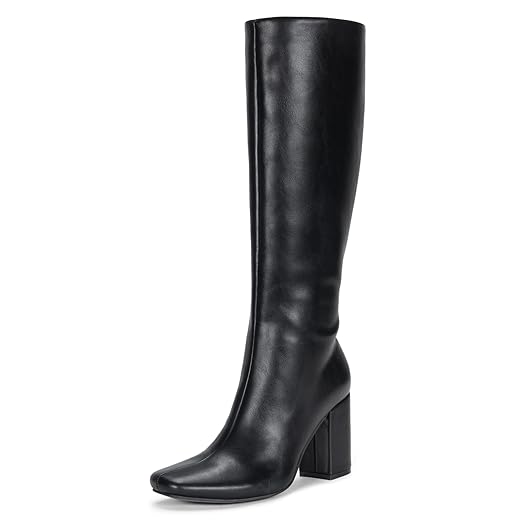
Knee-high boots offer greater snow coverage and insulation, making them well-suited for harsh rural or suburban winters. Ankle boots prioritize mobility, allowing easier city navigation through crowds and over slush. While knee-highs focus on functionality, ankle boots balance fashion and function. The ideal winter boot depends on the specific environment and personal needs – continue reading to explore the key differences between these two winter footwear options.
Key Takeaways
- Knee-high winter boots offer enhanced coverage, traction, and warmth for harsh rural/suburban winter conditions with deep snow.
- Ankle boots prioritize mobility and ease of movement for navigating urban environments with slush, ice, and crowds.
- Knee-high boots are bulkier and heavier, while ankle boots have a sleeker, lightweight design.
- Knee-high boots are suitable for rural/suburban areas, while ankle boots are ideal for urban winters.
- The choice between knee-high and ankle boots depends on the specific winter environment and use case – rural/suburban versus urban.
Knee-High Boots: Enhanced Coverage for Harsh Winter Conditions
When the winter winds howl and the snow piles high, knee-high boots offer enhanced coverage to keep legs and feet warm and protected. They shield calves from the bitter cold and deep drifts, preventing snow from sneaking in. The added height provides a snug, secure fit that prevents ankle sprains and discomfort.
Knee-high boots’ thick soles and insulation also deliver superior traction and warmth, essential for navigating icy terrain. Their sturdy construction can withstand the rigors of winter, from trudging through slush to shoveling driveways. For those who brave the harshest conditions, knee-high winter boots are a practical and comfortable choice that prioritizes functionality over style.

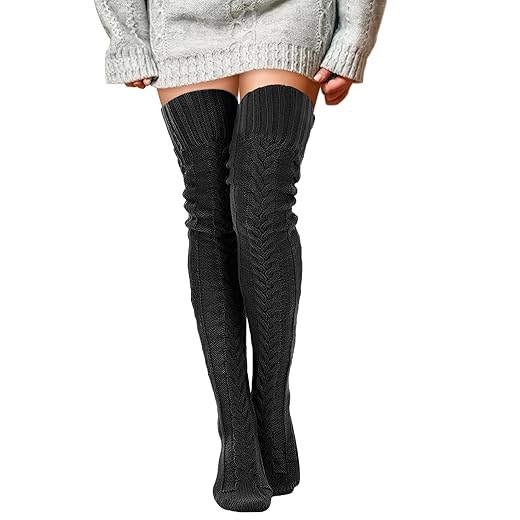


Ankle Boots: Increased Mobility for City Winters
Alternatively, ankle boots offer increased mobility for traversing city winters. Their shorter height allows for easier navigating through crowded streets and public transit. Ankle boots provide a sleek, streamlined silhouette that can be easily tucked under pants or paired with skinny jeans. Additionally, the reduced weight of ankle boots reduces fatigue during long walks, enabling wearers to explore the winter cityscape with ease.
| Knee-High Boots | Ankle Boots |
|---|---|
| Enhanced snow coverage | Increased mobility |
| Warmer for extreme cold | Better for city commuting |
| Bulkier, heavier design | Sleek, lightweight design |
| More difficult to walk in | Easier to navigate crowds |
| Suitable for rural/suburban areas | Ideal for urban environments |
Ankle boots strike a balance between fashion and function, making them a practical choice for women navigating the challenges of city winters.
Frequently Asked Questions
How Do I Clean and Maintain Knee-High Winter Boots?
To clean and maintain knee-high winter boots, start by brushing off any dirt or debris. Then, use a damp cloth to wipe down the exterior, avoiding getting the interior wet. Apply a waterproofing spray to the outside to keep them water-resistant. Stuff the boots with newspaper or boot shapers to help them retain their shape when not in use. Finally, store them in a cool, dry place.

Can Knee-High Boots Be Worn in the Summer?
Knee-high boots can be worn in the summer, but it’s not the most practical choice. They can quickly become hot and uncomfortable in warm weather. While they may work for some formal or fashion-forward looks, ankle or mid-calf boots are generally a better option for summer. Knee-highs are best reserved for colder months when they can provide extra warmth and coverage.
Are Knee-High Winter Boots Suitable for Narrow Calves?
Knee-high winter boots can work well for those with narrow calves. The tall shaft can help keep legs warm and protected from the elements, while the adjustable calf area allows for a snug, customized fit. With the right fit, knee-high boots provide excellent coverage and insulation without feeling bulky or overwhelming a smaller leg frame.
How Do I Choose the Right Size for Ankle Winter Boots?
To choose the right size for ankle winter boots, measure the circumference of your ankles and refer to the size chart provided by the manufacturer. This will ensure a snug and comfortable fit.
Additionally, consider the thickness of socks you’ll be wearing and opt for a slightly roomier fit to accommodate them.
Can Ankle Boots Be Worn With Thick Socks in the Snow?
Yes, ankle boots can be worn with thick socks in the snow. The combination of ankle boots and thick socks provides insulation and protection against the cold and wet conditions. However, they may not offer the same level of coverage and protection as knee-high winter boots, which are designed specifically for deep snow and extreme winter weather.
Conclusion
Knee-high winter boots provide more protection against snow and cold, while ankle boots offer better mobility. Ultimately, the choice depends on one’s specific needs and preferences – whether prioritizing warmth and coverage or agility and ease of movement. For those facing harsh, snowy winters, knee-high boots may be the practical winner, though ankle boots remain a viable option for milder city climates.