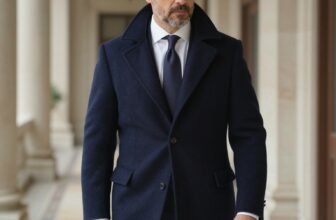
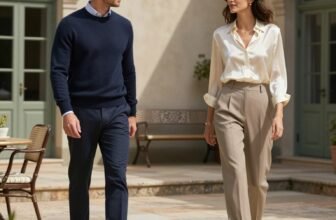
She builds an old‑money look by mixing timeless pieces—camel cashmere, a crisp white silk blouse, a structured navy blazer, high‑waisted wool trousers, and a camel‑hair coat—each in neutral tones and flawless fit. Subtle details like a slim belt, pearl studs, or a classic watch add polish without flash. The capsule stays under 40 items, so every outfit feels effortless and refined, and the wardrobe lasts for years. The next section reveals how tailoring and seasonal layering keep the style fresh.
Why an Old‑Money Wardrobe Works
Why does an old‑money wardrobe keep turning heads? It does because it prioritises timeless pieces over fleeting trends, letting women exude effortless elegance. Old money outfits for women rely on high‑quality fabrics, precise tailoring, and a restrained color palette. A well‑fitted blazer, a cashmere sweater, and a silk blouse together create a silhouette that reads confidence without shouting. The wardrobe’s limited size—about thirty to forty items—means each piece is chosen for durability and versatility, lowering cost‑per‑use and extending lifespan through proper care. Subtle details like a matching leather belt, pearl studs, or a classic watch add polish while staying understated. By focusing on fit, texture, and neutral tones, the ensemble adapts across seasons and settings, proving that true style isn’t about quantity but about curated, enduring quality. This disciplined approach makes the old‑money aesthetic both recognizable and aspirational.
Choose Core Items for an Old‑Money Wardrobe
Which pieces truly anchor an old‑money wardrobe? A well‑chosen cashmere sweater in camel, navy, or soft grey offers timeless warmth and effortless polish. Pair it with a silk blouse—charmeuse or crepe de chine—in white, ivory, or black for a luxe, breathable layer. A navy, single‑breasted blazer with structured shoulders and a nipped waist adds instant refinement, while a high‑waisted, wide‑leg wool trouser delivers silhouette balance. For outerwear, a camel‑hair coat—wrap or single‑breasted, knee‑length—provides classic coverage without shouting. These core items stay within a neutral palette, ensuring they mix and match across seasons. Their durability, measured in decades, justifies the higher upfront cost, because each piece endures countless wears. By focusing on quality fabrics, precise tailoring, and versatile silhouettes, she builds a foundation that looks expensive without effort.
Tailoring Basics for an Old‑Money Wardrobe
The core pieces—cashmere sweater, silk blouse, navy blazer, high‑waisted wool trousers, and camel coat—only shine when they fit like they were made for you. She knows that flawless tailoring turns simple luxury into effortless elegance. First, she checks shoulder seams; they must sit exactly on her natural line, no overhang or puckering. Next, she measures trouser break, aiming for a half‑inch lift above the shoe toe to preserve a clean silhouette. She also trims sleeves so a crisp half‑inch cuff of the blouse peeks out, preserving proportion and polish. Finally, she ensures the waist of high‑waisted pants aligns with her natural waist, creating a length, flattering shape. These adjustments cost a few hours and a modest price bump, but they extend each garment’s life and keep the wardrobe looking impeccably curated.
- Shoulder alignment for blazers
- Half‑inch trouser break
- Sleeve cuff exposure
- Natural‑waist positioning for pants
Layering Rules in an Old‑Money Wardrobe
Ever wondered how a simple coat can feel like a bespoke suit? She builds depth by letting each layer peek at the collar and cuff, creating a subtle, intentional silhouette. A cashmere sweater sits under a silk blouse, its soft neckline visible through a tailored navy blazer. The blazer’s structured shoulders frame the shirt’s cuff, while a camel wrap coat drapes over the ensemble, exposing the blazer’s lapel and the sweater’s hem.
She chooses complementary textures—tweed, silk, and wool—so the eye travels smoothly from one fabric to the next. Color stays neutral: navy, camel, grey, and ivory, allowing the layering itself to become the focal point. Accessories remain minimal; a pearl stud and a slim leather belt finish the look without overwhelmed it. By adhering to these rules, she achieves an old‑money aesthetic that feels effortless yet meticulously curated.
Seasonal Capsules for an Old‑Money Wardrobe
She’s already mastered layering, so now she builds seasonal capsules that keep the old‑money vibe fresh year‑round. Each capsule contains timeless pieces that mix and match, ensuring she never looks over‑dressed or under‑dressed. She selects a base of neutral cashmere sweaters, silk blouses, tailored trousers, and a classic navy blazer, then adds season‑specific textures and colors. Spring‑summer introduces lightweight linen trousers and pastel silk dresses, while fall‑winter swaps in tweed blazers, wool skirts, and cashmere turtlenecks. By limiting each capsule to 10–12 versatile items, she reduces clutter, maximizes wear‑frequency, and maintains a polished aesthetic without chasing trends.
- Core neutrals – cashmere, silk, wool, navy blazer
- Spring‑summer accents – linen, pastel silk, espadrilles
- Fall‑winter layers – tweed, velvet, riding boots
- Seasonal color tweaks – muted earth tones, soft pastels
Accessories That Complete an Old‑Money Wardrobe
Where do the finishing touches live? In the subtle details that whisper wealth without shouting. A pair of 7‑8 mm Akoya pearl studs anchors any blouse, their luster quiet yet unmistakable. A slim, heritage watch—think Cartier Tank or a Reverso—adds a disciplined tick of elegance, its leather strap matching the shoe hue. Structured handbags, such as a Hermès Kelly or Celine Classic Box, offer timeless shape and understated luxury, their muted hardware complementing neutral palettes. A minimal leather belt, cut to the same shade as the shoes, defines the waist and ties the ensemble together. Silk scarves in muted tones drape over shoulders or knot at the neck, providing texture without flash. Finally, a modest pair of leather gloves or a simple silk tie can elevate a look from everyday to refined, ensuring the wardrobe feels complete and effortlessly expensive.
Old‑Money Wardrobe for Specific Lifestyles
How does an old‑money wardrobe adapt to the distinct demands of a professional office, a country‑club weekend, and an elegant evening affair? She selects timeless pieces that transition effortlessly across settings, balancing formality with relaxed elegance. In the office, a silk blouse pairs with high‑waisted wool trousers and a structured navy blazer, while a modest leather belt and low‑heel pumps keep the look polished. For a country‑club weekend, she swaps the blazer for a tweed sport coat, adds a pleated midi skirt or tailored shorts, and finishes with leather riding boots and a straw hat. Evening events call for a floor‑length silk dress, subtle pearl studs, and a vintage heirloom watch, allowing the garment’s cut to speak for itself. Each ensemble hinges on quality fabrics, precise tailoring, and restrained accessories, ensuring an effortless, expensive aesthetic.
- Office: silk blouse + tailored trousers + navy blazer
- Country club: tweed sport coat + pleated skirt + riding boots
- Evening: silk dress + pearl studs + vintage watch
- Weekend casual: cashmere cardigan + dark denim + clean sneakers
Maintain and Extend Your Old‑Money Wardrobe
Keeping those timeless pieces in peak condition means treating them like investments, not throw‑away fashion. She stores cashmere sweaters folded on acid‑free tissue, keeps silk blouses on padded hangers, and rotates seasonal items to avoid over‑wear. A quarterly dry‑cleaning schedule, combined with spot‑cleaning stains immediately, extends life by roughly fifty percent. Tailoring is non‑negotiable; she checks shoulder alignment on blazers, ensures trouser hems break half an inch above the toe, and trims sleeves to reveal a half‑inch cuff. When a garment shows wear, she schedules a two‑hour bespoke alteration, adding only ten to fifteen percent to the original cost. She audits her wardrobe yearly, noting pieces that have reached 300 wears and earmarking them for repair or donation. By focusing on quality over quantity, she maintains a lean collection of 30‑40 versatile items that last decades, delivering the old‑money aesthetic without constant new purchases.

Frequently Asked Questions
Do I Need a Personal Tailor for Every Piece?
She doesn’t need a tailor for every item; she reserves alterations for key pieces—blazers, trousers, and coats—while off‑the‑rack basics fit well enough, saving time and expense.
How Often Should I Dry‑Clean Cashmere Versus Hand‑Wash?
She should dry‑clean cashmere only when stains or heavy odor appear—about once a season—while hand‑washing gently after each wear keeps fibers fresh, preserves softness, and extends the garment’s life.
Can I Mix Vintage Accessories With Modern Core Items?
She can blend vintage accessories with modern core pieces, letting pearls, classic watches, or heirloom scarves accent tailored blazers, cashmere sweaters, and silk blouses, creating timeless elegance without looking forced.
What Shoe Colors Pair Best With a Camel Coat?
She pairs a camel coat with classic neutrals—tan, cognac, taupe, or warm brown boots—plus navy pumps for contrast, and even sleek black leather loafers for a polished, effortless look.
Is a Silk Scarf Appropriate for Casual Weekend Wear?
She says a silk scarf works for weekend casual, adding subtle polish without overdoing it; pair it with denim, a cashmere cardigan, and clean sneakers for effortless, understated elegance.
Conclusion
Embracing old‑money style means prioritizing timeless pieces over fleeting trends, so women can look effortlessly luxurious every day. By investing in quality basics, tailoring them to fit perfectly, and layering with subtle hues, they create versatile wardrobes that transition from work to weekend with ease. Thoughtful accessories and proper care keep the look fresh, proving that true elegance never requires loud branding—just quiet confidence and enduring craftsmanship.